Science news and discussion on TalkFuse.
US support for data centres falls amid environmental and cost concerns
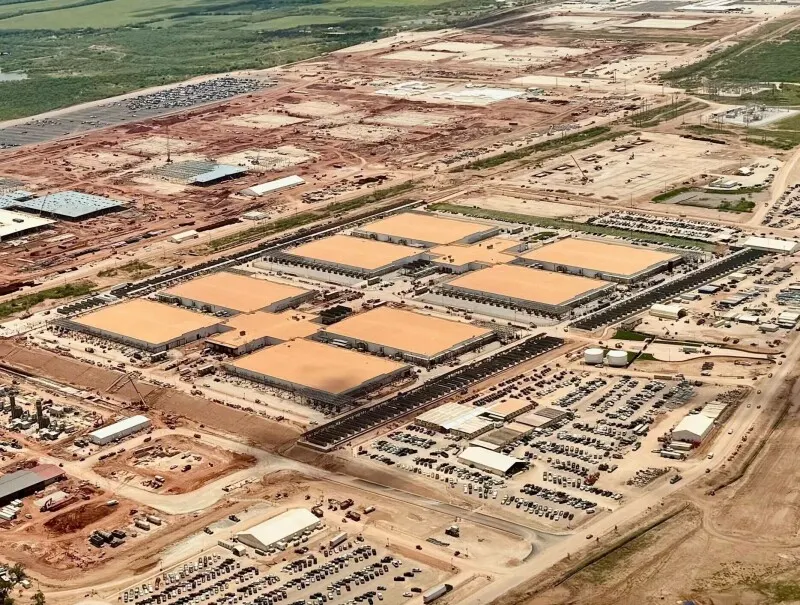
American public opinion on datacenters has shifted sharply negative since the start of 2026, according to a Pew Research Center survey of 10,548 adults conducted in July and August. Concerns centre on environmental damage, rising household energy costs, and effects on community quality of life. This shift matters because it reflects growing awareness of datacenters' substantial resource demands and signals potential political obstacles to further datacenter expansion across the country.
The survey found that 54 percent of Americans now view datacenters as mostly bad for the environment, up from 39 percent in January; 50 percent say they harm household energy bills, up from 38 percent; and 49 percent believe they negatively affect nearby residents' quality of life, up from 30 percent. These concerns span all demographic groups and cross party lines, with even Republican opposition rising from 24 to 42 percent on the quality-of-life issue. The broader political context includes divergent stances from prominent figures: former President Trump supports datacenter construction as necessary for US competitiveness with China, whilst Texas Governor Greg Abbott recently imposed a statewide moratorium, and Amazon's sustainability officer called for greater industry transparency. Sixty percent of respondents said they would be uncomfortable with a new datacenter operating nearby.
In short
- American concern over datacenter environmental and energy impacts has risen sharply since January
- Support drops across demographics and party lines; Republicans increasingly oppose new facilities
- Growing scrutiny of water/electricity consumption fuels public unease despite political backing
Steelman: both sides, in good faith
The strongest fair case each way — we don't pick a winner.
The case for
Expanding data centres can support US competitiveness, including in the development of AI and other technologies, and may bring investment and jobs to host communities. Their resource demands are real, but proponents can argue that better transparency, cleaner energy and careful siting can address local impacts while allowing the country to capture these benefits.
The case against
Data centres can place substantial demands on electricity and other resources, with potential costs for household bills, the environment and nearby residents’ quality of life. Given widespread discomfort with new facilities nearby and growing concern across party lines, critics can reasonably argue that expansion should be limited or paused until its costs are clearer and communities have stronger protections.
Explained simply
Data centres house the computers and equipment that store data and run online services. Their number has grown as people and businesses use more digital services, including artificial intelligence; they also require substantial electricity and land, and can use water for cooling.
Their effects can vary by location, depending on how they are built and powered. Residents may be concerned about local changes and pressure on energy supplies, while companies and politicians may see the facilities as important to economic growth and competition.
The debate involves technology companies, local communities and elected officials, whose priorities can differ. Public views matter because decisions about permits, power and land use can shape whether and where new centres are built.
Read the full article at the source →
Originally published by The Register as “The more Americans hear about datacenters, the less they like them”.