US support for data centres falls amid environmental and cost concerns
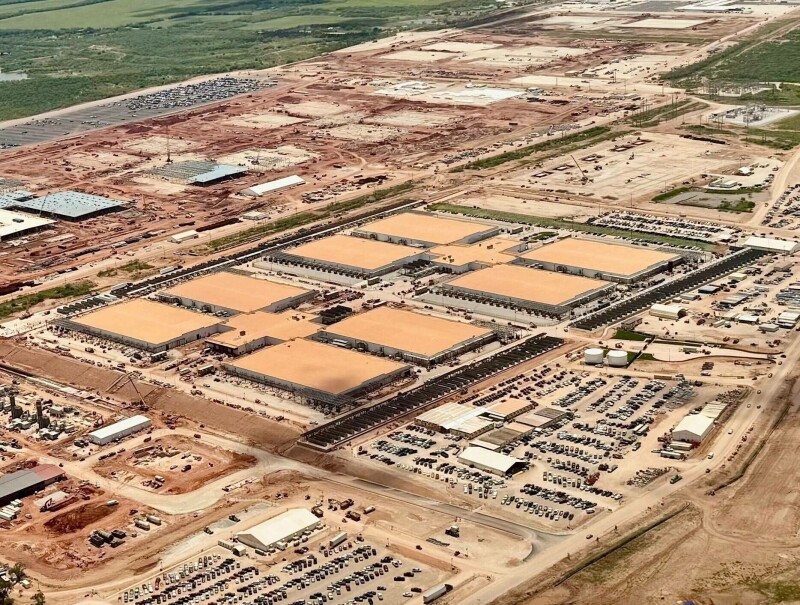
American public opinion on datacenters has shifted sharply negative since the start of 2026, according to a Pew Research Center survey of 10,548 adults conducted in July and August. Concerns centre on environmental damage, rising household energy costs, and effects on community quality of life. This shift matters because it reflects growing awareness of datacenters' substantial resource demands and signals potential political obstacles to further datacenter expansion across the country.
The survey found that 54 percent of Americans now view datacenters as mostly bad for the environment, up from 39 percent in January; 50 percent say they harm household energy bills, up from 38 percent; and 49 percent believe they negatively affect nearby residents' quality of life, up from 30 percent. These concerns span all demographic groups and cross party lines, with even Republican opposition rising from 24 to 42 percent on the quality-of-life issue. The broader political context includes divergent stances from prominent figures: former President Trump supports datacenter construction as necessary for US competitiveness with China, whilst Texas Governor Greg Abbott recently imposed a statewide moratorium, and Amazon's sustainability officer called for greater industry transparency. Sixty percent of respondents said they would be uncomfortable with a new datacenter operating nearby.
- American concern over datacenter environmental and energy impacts has risen sharply since January
- Support drops across demographics and party lines; Republicans increasingly oppose new facilities
- Growing scrutiny of water/electricity consumption fuels public unease despite political backing
Read the full article at the source →
Originally published by The Register as “The more Americans hear about datacenters, the less they like them”.