Culture news and discussion on TalkFuse.
The Morning Poll: Do you check what country your food comes from when buying groceries?
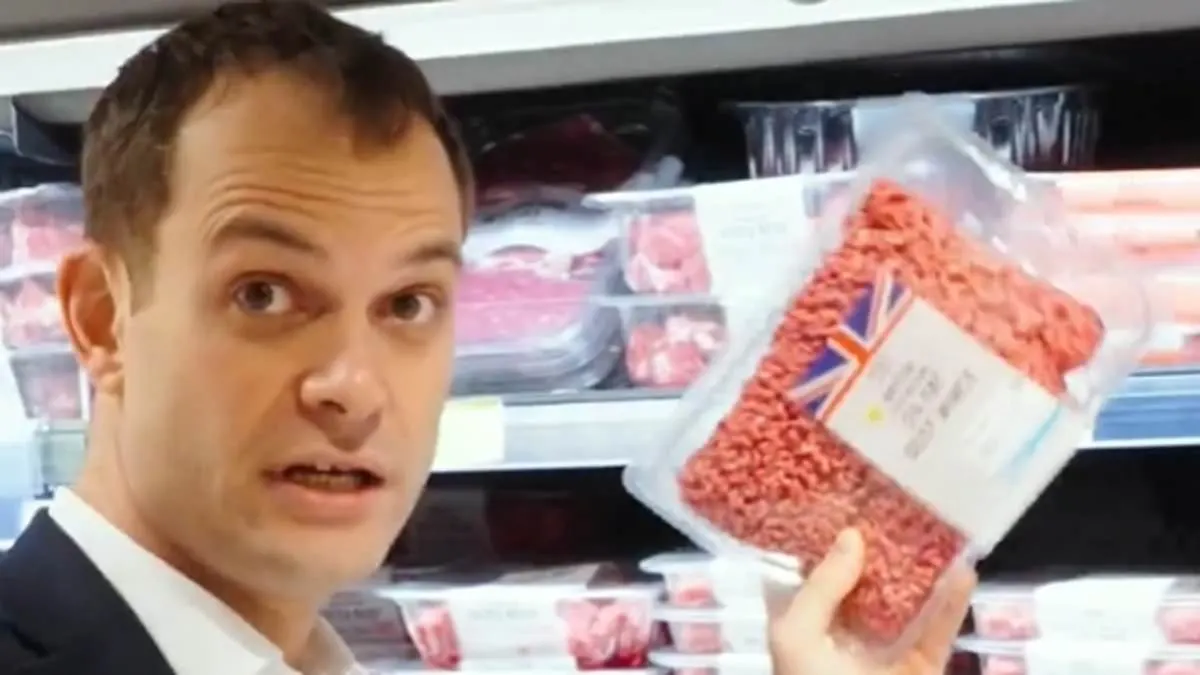
A Morning Poll asks whether shoppers check the country of origin on food labels when buying groceries. The question follows criticism of Labour minister Hamish Falconer, who attributed higher prices of some supermarket goods to Brexit import rules while citing products made in Britain.
The poll invites readers to vote, with results due in the next Morning Mail newsletter. The article gives no poll results or further figures; it links to related coverage of Falconer’s comments about food prices and an EU deal.
In short
- The poll asks if shoppers check where their food is produced.
- It follows criticism of Hamish Falconer’s remarks on Brexit and prices.
- Results are due in the next Morning Mail newsletter.
Steelman: both sides, in good faith
The strongest fair case each way — we don't pick a winner.
The case for
Checking a food’s country of origin can help shoppers support British farmers and producers, understand where their money goes, and consider standards or supply-chain concerns. Clear attention to origin may also encourage retailers and policymakers to explain how trade rules affect prices and availability.
The case against
Country of origin may matter less to shoppers than price, quality, nutrition or convenience, especially when household budgets are tight. Labels can also be hard to interpret and do not by themselves show the full supply chain or production standards, so checking them may offer limited help when choosing what to buy.
Explained simply
Food sold in UK shops may be grown, raised or made in Britain or imported from another country. Labels can identify a food’s origin, though the information shown varies by product.
Hamish Falconer is a Labour minister who has linked higher prices for some supermarket goods to post-Brexit rules for importing food. His comments have drawn criticism because some of the products he cited were made in Britain. Origin can matter to shoppers, and the debate also raises questions about how trade rules relate to food prices.
Culture Elections Food Politics World