Politics news and discussion on TalkFuse.
The Morning Poll: Should Caribbean countries such as Jamaica and St Lucia keep King Charles as head of state?
Developed over time first seen 1 day ago
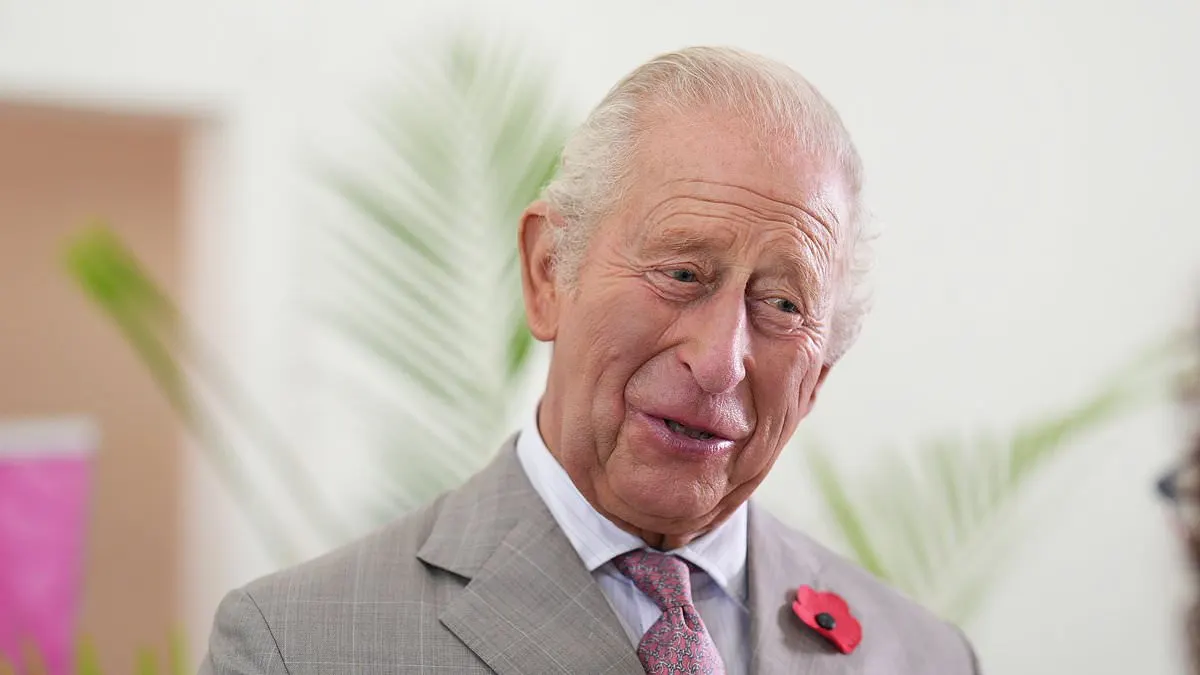
King Charles has said he is “fully open” to being replaced as head of state in Caribbean countries if that is what their people want. The article asks whether countries such as Jamaica and St Lucia should retain him in the role, and invites readers to vote in a poll.
The poll results are due in the following day’s Morning Mail newsletter. The article gives no further detail on either country’s constitutional position or public opinion, and does not report a poll result.
- Sources
- 2
- Outlets
- 1
- Left · Centre · Right
- 0 · 0 · 2
In short
- King Charles is open to being replaced if people want it.
- Readers are asked whether Jamaica and St Lucia should retain him.
- Poll results are due in the next Morning Mail newsletter.
How this story developed
- 1 day ago King Charles has said he is “fully open” to being replaced as head of state in Caribbean countries if that is what their people want.
Full account
Whether Caribbean countries such as Jamaica and Saint Lucia should retain King Charles as head of state is a decision for their own people and political institutions. The question has returned to prominence after a royal aide said the King would be open to a change if a country wished to become a republic. The aide said the Royal Family remained willing to serve, but accepted that a different constitutional arrangement could be made where it was wanted.
Charles is head of state in seven Caribbean countries: Antigua and Barbuda, the Bahamas, Jamaica, Grenada, Saint Kitts and Nevis, Saint Lucia, and Saint Vincent and the Grenadines. Each has its own government. Becoming a republic would change the office of head of state, though it would not necessarily end a country’s membership of the Commonwealth. Barbados made that change in 2021, and Charles attended the ceremony marking its transition.
The issue arose during the King’s first Caribbean tour as monarch, which took him to the Bahamas, Guyana, and Antigua and Barbuda. Antigua and Barbuda’s prime minister, Gaston Browne, stated his support for a republic while Charles was visiting. The tour also coincided with renewed discussion of the legacy of slavery and calls for reparations. Those debates concern different questions from the monarchy’s constitutional role, but together they have brought the region’s relationship with Britain into sharper focus.
The royal aide’s remarks indicate how the King would respond to a decision made in a Caribbean realm; they do not settle whether any country should make that decision or how soon. Supporters of retaining the monarchy and advocates of a republic may weigh its practical role and symbolic meaning differently. The available reports offer the royal perspective and describe a regional leader’s republican position, but provide no polling evidence showing what people in Jamaica, Saint Lucia, or the other realms currently prefer.
Where outlets differ
From the full account, which is AI-written from the sources:
Source 1 presents the issue as a poll question about whether Caribbean countries should retain the King. Source 2 concentrates on the royal aide’s statement, the King’s tour, Antigua and Barbuda’s republican debate, and calls for reparations. The supplied Source 1 text contains a headline and site navigation but no substantive report, so it cannot support a fuller comparison.
Steelman: both sides, in good faith
The strongest fair case each way — we don't pick a winner.
The case for
Keeping King Charles as head of state could preserve constitutional continuity and familiar institutions while allowing these countries to focus on other priorities. Supporters may also value the monarchy as a shared link with Commonwealth partners, provided the arrangement reflects the freely expressed wishes of each country’s people.
The case against
Replacing the King could affirm national sovereignty and give these countries a head of state chosen through their own constitutional arrangements. Supporters of change may see this as a meaningful step in shaping national identity and institutions, so that the role reflects local democratic choices rather than an inherited connection to the British Crown.
Explained simply
Jamaica and St Lucia are independent countries, but both have King Charles as their head of state. In this role, he is the formal constitutional figure at the top of the state; elected governments run the countries.
Keeping the King or replacing him is a question for each country to decide through its own constitutional process. Those who favour change generally support becoming a republic, with a local citizen as head of state, while others may prefer to keep the existing arrangement.
The question matters because it concerns how each country is represented and how its constitutional system is organised. The article invites readers to vote, but gives no result or further detail about public opinion in either country.
Coverage · 2 sources
Bias meters
From 2 rated sources.
- Daily MailRightThe Morning Poll: Should Caribbean countries such as Jamaica and St Lucia keep King Charles as head of state?
- Daily MailRightCharles 'is fully open' to being dethroned in the Caribbean: It's all a matter of what countries want, say aides, as Antigua's prime minister insists he is a republican