Culture news and discussion on TalkFuse.
The most popular GameCube emulator is no longer the only one
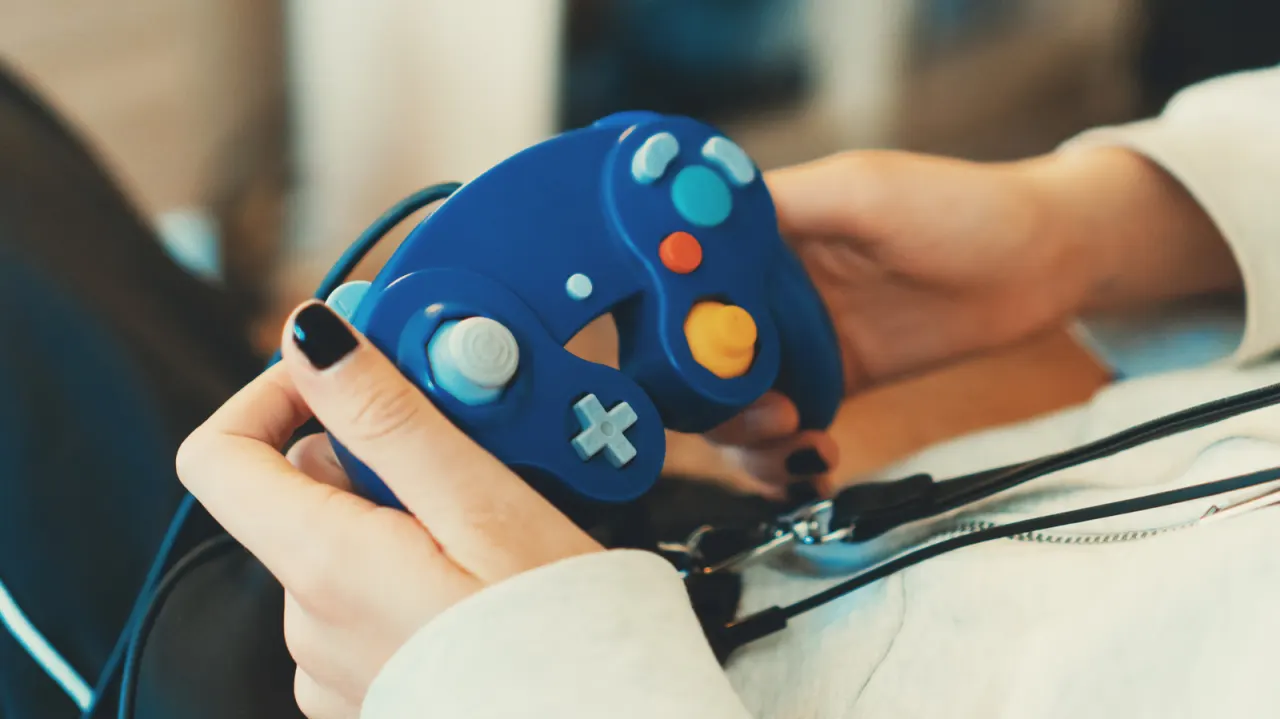
A new GameCube emulator, Gecko, is emerging as an alternative to Dolphin, which has long dominated GameCube and Wii emulation. Its arrival matters because emulators can help people access older games that are unavailable on modern platforms and support game preservation, although Gecko is currently far less mature than Dolphin.
Gecko was created by GitHub user Layle for homebrew development, reverse engineering and personal interest in emulating Final Fantasy Crystal Chronicles: The Crystal Bearers. Layle says Gecko probably offers no features Dolphin lacks; Dolphin, developed since 2003, reports no completely broken GameCube titles, while Gecko warns that many games have visual faults or do not run. Emulators themselves are legal, but using copied games generally requires dumping games one legally owns; Nintendo has pursued emulator-related enforcement, including a $2.4 million 2024 lawsuit involving Switch emulator Yuzu.
In short
- Gecko offers a developing alternative to the established Dolphin emulator.
- Dolphin remains much more compatible and feature-mature.
- Legal emulation generally requires copying games you own.
Explained simply
The GameCube was a Nintendo console released in 2001, and the Wii followed in 2006. An emulator is software that imitates a console on a computer or another device, allowing games made for older systems to run on newer hardware.
Dolphin has been developed since 2003 and supports games from both consoles; Gecko is a newer project made by a developer known as Layle. Gecko began as a tool for homebrew development and reverse engineering, as well as a personal project focused on a Final Fantasy game.
Emulators can help people play older games that are hard to access and support their preservation. Their use raises separate questions about game copies: emulator software itself is legal, but playing a copied game generally requires a copy made from a game the player owns, and Nintendo has taken legal action in cases involving emulation.