The Most Shocking Thing About ‘You Can See Everything’: Nathan Fielder’s Sympathy for the Devil
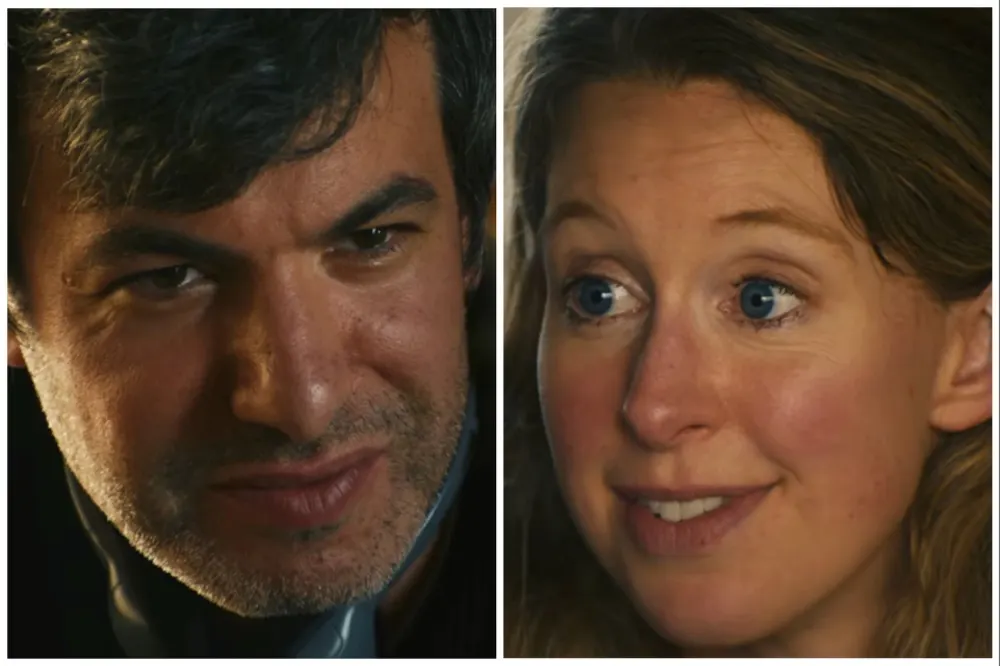
Nathan Fielder and Lance Oppenheim’s documentary about Elizabeth Holmes is less a straightforward takedown than viewers may expect. It shows her as unsettling and difficult to understand, while leaving open the possibility that her apparent guilelessness reflects personal damage rather than deliberate performance; the film invites empathy without excusing her crimes.
Fielder and his crew spent 34 days living with Holmes and her husband, Billy Evans, and filmed for years beyond her incarceration, but the documentary reaches no firm conclusions about her psychology. A late conversation with an unnamed A-list figure captures Fielder’s uncertainty about whether Holmes is as guileless as she appears. The article argues that this unresolved tension gives the film depth.
- The documentary does not resolve the mystery of Elizabeth Holmes.
- Fielder’s uncertainty sits alongside the film’s scrutiny of her.
- The article says empathy need not mean excusing her crimes.
New here? Start with this
Elizabeth Holmes founded Theranos, a blood-testing company that promised to run many tests from a small amount of blood. The company attracted major investment before its claims were challenged and it closed; Holmes was later convicted of defrauding investors and sentenced to prison.
Nathan Fielder and Lance Oppenheim’s documentary follows Holmes and her husband, Billy Evans, including time spent living with them. It examines how she comes across to the people filming her, while leaving her motives and state of mind uncertain.
That uncertainty matters because the film asks how to understand someone convicted of serious crimes when their behaviour can seem difficult to read. It allows viewers to consider her personal history without settling whether she was performing innocence or excusing what she did.