Technology news and discussion on TalkFuse.
The Movement: Flock cameras rile up privacy-minded right
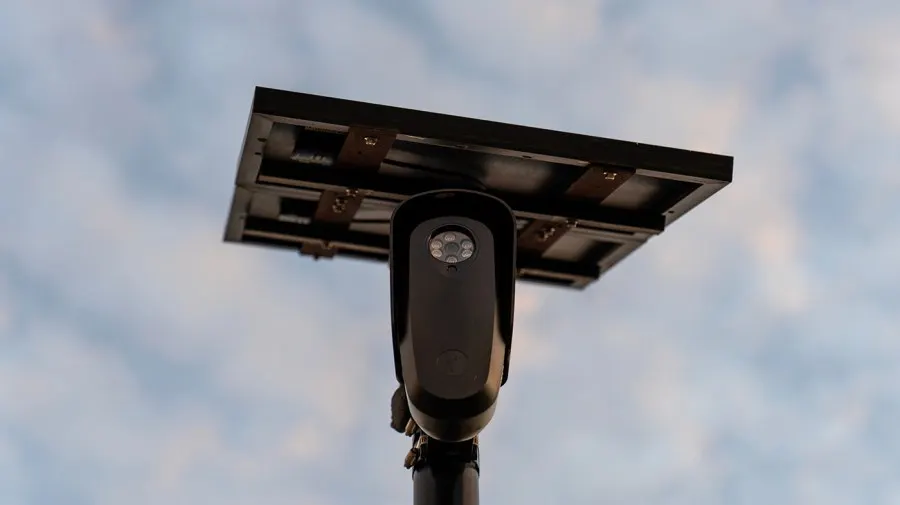
Privacy-focused conservatives are increasingly opposing Flock Safety’s networked cameras, which automatically record vehicle details and feed them into police-searchable databases. The dispute matters because it exposes a growing tension on the American right between support for law enforcement and concerns about expansive government or corporate surveillance.
Critics argue that the systems can track ordinary people’s movements, be accessed too widely and weaken Fourth Amendment privacy protections; some Republican politicians have backed restrictions, including warrant requirements for federal access. Flock and police supporters say the cameras help investigate crimes, while the company faces mounting scrutiny as cities and agencies reconsider or cancel contracts.
In short
- Conservatives are joining opposition to Flock’s surveillance-camera network.
- Privacy and warrant concerns are driving Republican pushback.
- Supporters say the technology helps police solve crimes.
Steelman: both sides, in good faith
The strongest fair case each way — we don't pick a winner.
The case for
Flock's cameras operate in public spaces where privacy expectations are already diminished and have proven effective in solving crimes, from hit-and-runs to human trafficking cases. Police and company supporters argue that with proper warrant requirements, access controls and oversight, these tools strike a reasonable balance between law enforcement's legitimate need to investigate serious crimes and privacy protections, making existing public observation more systematic without creating fundamentally new surveillance capabilities.
The case against
Privacy-focused conservatives worry that these systems represent unprecedented mass surveillance infrastructure tracking ordinary citizens' movements without consent, and that such tools characteristically expand beyond their original purpose whilst access controls prove inadequate. They argue that comprehensive movement tracking normalises government access to detailed personal data and weakens Fourth Amendment protections regardless of current safeguards, creating vulnerability to future abuse and fundamentally eroding privacy rights.
Explained simply
Flock Safety operates networks of cameras that automatically record vehicle licence plates and feed the information into police-accessible databases. These systems are increasingly facing opposition from privacy-conscious conservatives who worry about the extent of surveillance they enable.
Police departments and Flock argue that the cameras are useful tools for investigating crimes. Privacy advocates and some Republican politicians counter that the systems can track ordinary citizens' movements too easily and question whether proper safeguards exist to prevent misuse.
The dispute highlights a growing divide within American conservatism between those who prioritise supporting law enforcement and those who fear government and corporate surveillance. The Fourth Amendment protections against unreasonable searches are at the heart of the disagreement, with some politicians pushing for warrant requirements before federal agencies can access the data.
AI Americas Business Companies Politics Technology World