Culture news and discussion on TalkFuse.
The movies Martin Scorsese saw as his unofficial trilogy: “I’m just obsessed”
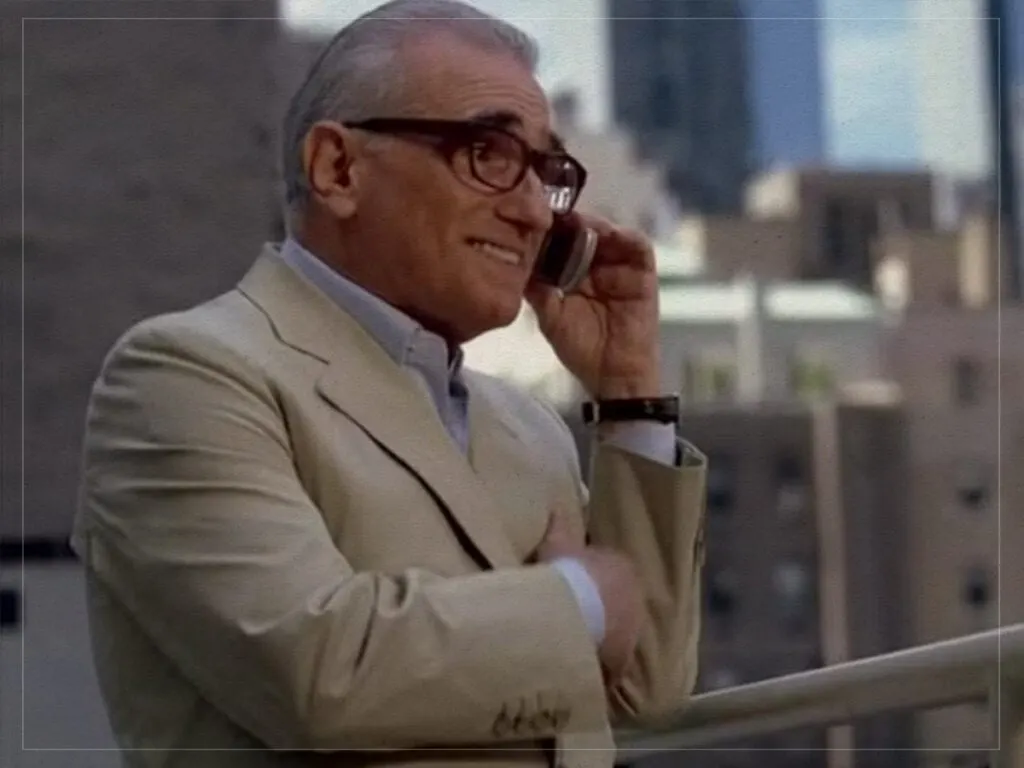
Martin Scorsese has described three films from different stages of his career as an “unofficial trilogy”: *Taxi Driver*, *Raging Bull* and *The King of Comedy*. Although their stories are not directly connected, he sees them as linked by their focus on alienated, unstable men and the destructive effects of obsession, ambition and loneliness.
The films were released in 1976, 1980 and 1982, and all featured Robert De Niro in central roles. Scorsese said he was “just obsessed” with the ideas that ran through them, while noting that *The King of Comedy* completed a thematic progression begun by Travis Bickle in *Taxi Driver* and Jake LaMotta in *Raging Bull*.
In short
- Scorsese groups three De Niro films as an unofficial trilogy.
- All examine obsession, isolation and unstable masculinity.
- The films span 1976 to 1982.
Explained simply
Martin Scorsese is an acclaimed director whose films from the 1970s and 1980s are considered among the most influential in cinema. During this period, he frequently made films exploring the psychology of isolated, troubled men, often casting Robert De Niro in the lead roles.
Three of Scorsese's films from this era – Taxi Driver, Raging Bull and The King of Comedy, released in 1976, 1980 and 1982 respectively – follow similar themes despite having separate plots. Each focuses on an unstable character consumed by obsession, ambition or loneliness, and shows how these psychological states lead to destructive outcomes.
Scorsese has reflected on how he views these three films as thematically connected across his body of work. His comments illustrate how accomplished filmmakers often see their projects as interconnected through recurring artistic preoccupations, even when audiences initially perceive them as standalone works.
Art Culture Entertainment Film