Egypt seeks return of priest Nekht’s remains from Glasgow museum
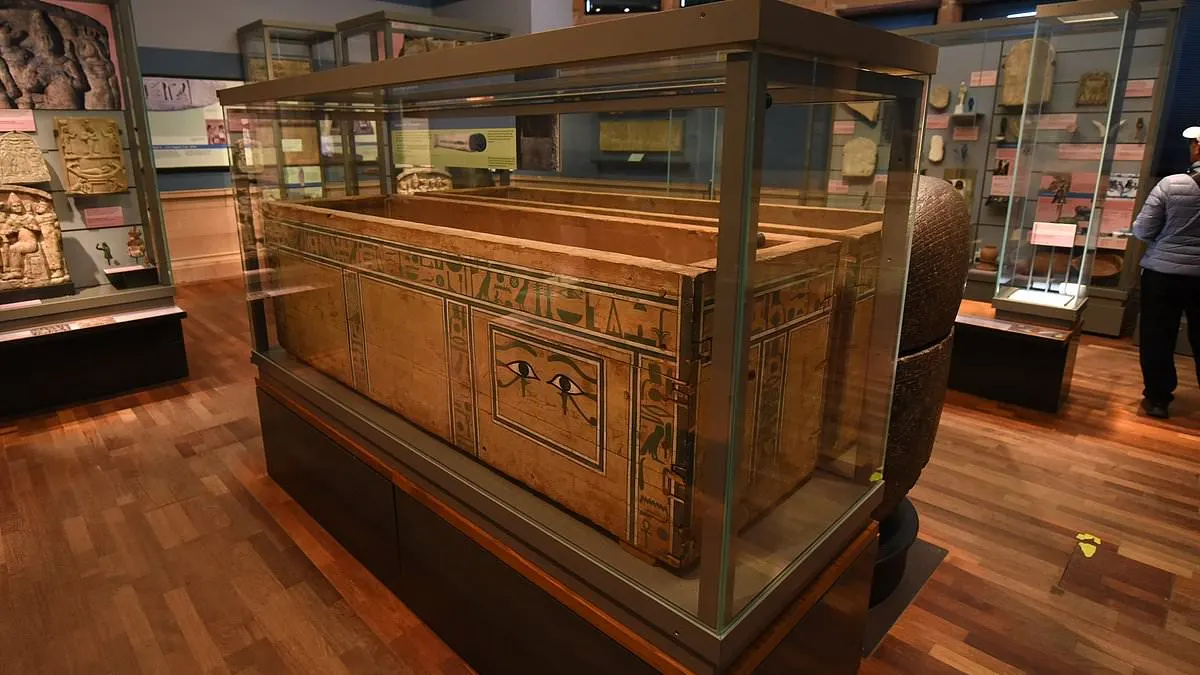
Glasgow Life has received a request from Egyptian authorities to return the 4,000-year-old remains of Nekht, an ancient Egyptian priest previously displayed at Kelvingrove Art Gallery and Museum. The request follows the museum’s decision to remove the remains from public view over concerns about the deceased’s lack of informed consent, and has prompted debate about repatriation and the role of museums.
Glasgow Life says it will consider the request through its established process. Nekht is believed to have lived between 1985 and 1797BC and was excavated at Beni Hasan in the early 20th century. Kelvingrove also plans to remove the displayed bones of a Bronze Age child and adult from Bonhill to restricted-access storage; the Hunterian Museum has separately taken the remains of Lady Shep-en-hor off display. Critics argue these decisions could limit public access to history.
In short
- Egypt has requested Nekht’s remains from Glasgow.
- The mummy was removed over consent concerns.
- Bronze Age remains are also due to leave display.
Steelman: both sides, in good faith
The strongest fair case each way — we don't pick a winner.
The case for
Returning Nekht’s remains could recognise that the deceased may not have consented to excavation or display, and that human remains deserve special respect beyond their value as museum objects. Repatriation could also give Egyptian institutions and communities a greater role in interpreting and caring for their heritage, especially given the remains’ removal from Egypt.
The case against
Keeping Nekht in Glasgow could preserve public access to the remains and support research, education and conservation in a museum with established expertise. Some may also argue that decisions about ancient remains should follow careful, consistent processes that weigh uncertain historical consent, the interests of different communities and the practical ability to care for them, rather than presume that return is always the best outcome.
Explained simply
Nekht was an ancient Egyptian priest who lived about 4,000 years ago. His remains were excavated at Beni Hasan in Egypt in the early 20th century and later came to be held by Glasgow museums.
Museums have long displayed human remains, but there is debate about whether people from the past could consent to this and who should care for them. Requests to return remains to their place of origin raise questions about museum ownership, cultural heritage and public access to collections.
Glasgow Life, which runs Kelvingrove Art Gallery and Museum, handles requests for returns through an established process. Similar decisions about human remains are being considered at other Glasgow museums, including the Hunterian.
Read the full article at the source →
Originally published by Daily Mail as “The mummy returns? Ancient remains could be handed back to Egypt after museum row”.