New releases, music videos and album news — indie, rap, rock and pop. Always covering Ren, Chris Webby, Sam Tompkins, bbno$, CHINCHILLA, Muse, Yungblud and more.
The myth that the line-up doesn’t matter at Glastonbury Festival
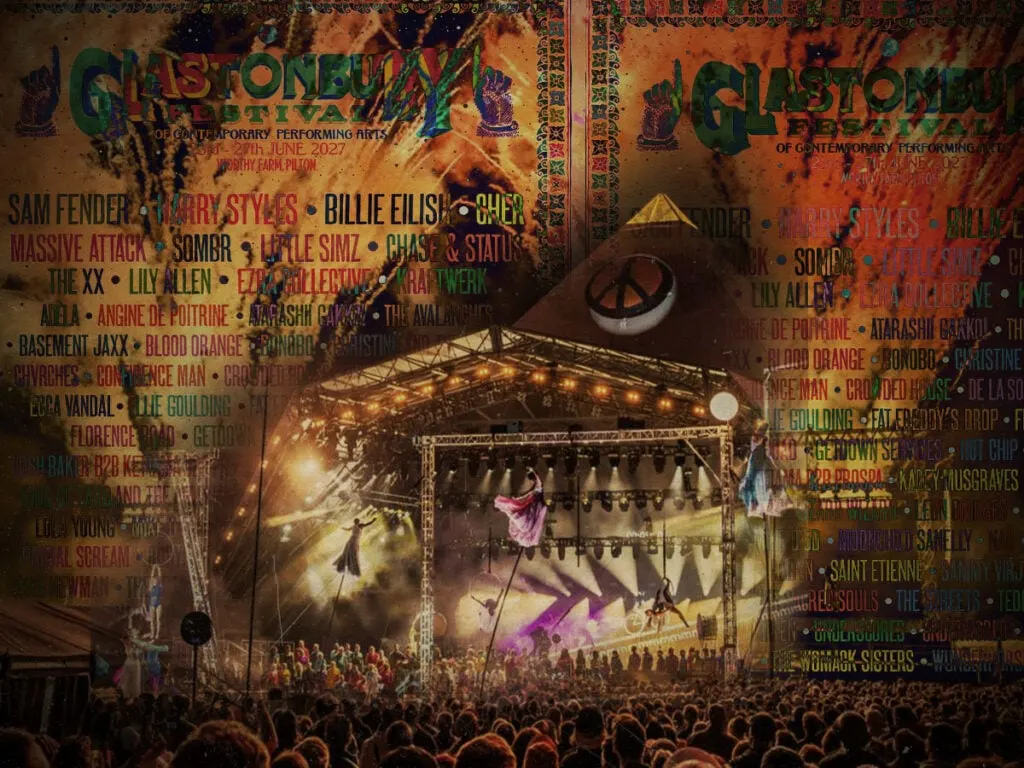
The article argues that Glastonbury’s music line-up matters, even though the festival offers much more than performances. The writer says treating the acts as incidental risks turning a festival once associated with counterculture and discovery into an expensive spectacle focused mainly on atmosphere and self-image.
As a comparison, the piece describes Coachella’s shift from an independent-minded festival, founded partly in response to Pearl Jam’s Ticketmaster boycott, towards a less coherent and more celebrity-focused event. Glastonbury draws about 230,000 people, and the writer accepts its line-up cannot please everyone, but argues that debate and interest in the music are essential to preserving the festival’s character.
In short
- Glastonbury’s music line-up should remain central to its identity.
- The writer warns that “vibes first” could hollow out the festival.
- Coachella is cited as a cautionary example of cultural drift.
Steelman: both sides, in good faith
The strongest fair case each way — we don't pick a winner.
The case for
A strong line-up is central to Glastonbury’s identity: the music gives the festival its cultural purpose, encourages discovery and sustains meaningful debate about who gets heard. If performances are treated as incidental to the atmosphere or social display, the event could lose the countercultural character that distinguishes it from a large, expensive spectacle.
The case against
Glastonbury’s appeal has long extended beyond its performers, encompassing community, art, discovery and the shared experience of being there. With a crowd of about 230,000 and tastes that vary widely, no line-up can satisfy everyone; judging the festival chiefly by its acts risks overlooking the broader culture that makes it valuable to many attendees.
Explained simply
Glastonbury is a large music and arts festival held in Somerset, drawing around 230,000 people. Alongside concerts, it offers many other attractions, so some people see the performers as only one part of the experience.
The festival has long been associated with counterculture and discovering new music. Coachella, a US festival that began partly in response to Pearl Jam’s dispute with Ticketmaster, is presented as a comparison: the article says it has become more celebrity-focused over time.
The question matters because Glastonbury’s size makes it unlikely that every act will appeal to every visitor. The debate is about whether interest in the music helps maintain the festival’s identity, alongside its wider atmosphere and activities.