The Narco Hack review – an epic tale of how detectives’ tech wizardry smashed a billion-euro drugs ring
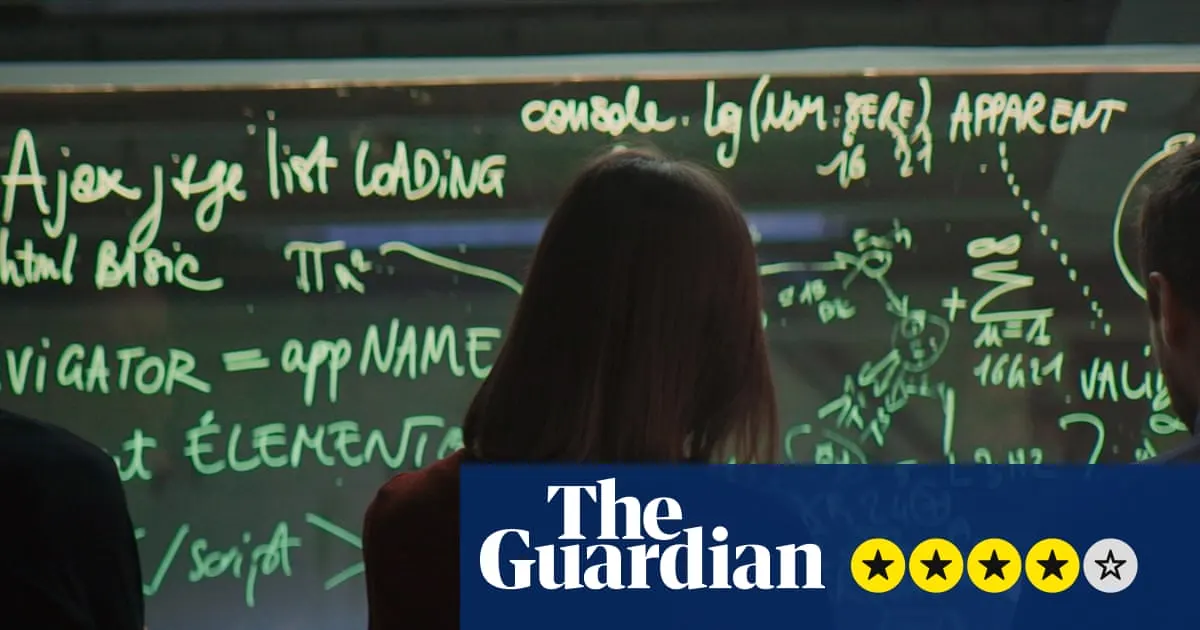
The Narco Hack is a three-part documentary about how French, Belgian and Dutch police compromised the encrypted messaging app Sky ECC and used its messages to investigate major criminal organisations. The review presents the operation as a remarkable blend of detective work and technical skill, while raising questions about how far police should go in gathering intelligence before making arrests.
The investigation began to expose killings and extreme abuse discussed on the app, as well as drug and gun networks operating across borders. Police had to balance Belgium’s focus on stopping shipments with France’s effort to identify suspects and build cases, and ultimately uncovered billions of euros, much of it laundered through cryptocurrency. The review also points to a broader debate about the line between useful technology and criminal misuse.
In short
- Police cracked Sky ECC to investigate major criminal networks.
- The messages exposed killings, abuse and cross-border trafficking.
- The case raises questions about technology and law enforcement.
Steelman: both sides, in good faith
The strongest fair case each way — we don't pick a winner.
The case for
The operation shows how technical expertise and cross-border co-operation can help police uncover violent crimes and disrupt large criminal networks that are difficult to investigate through conventional means. On this view, gathering intelligence from encrypted messages can be justified when it helps identify suspects, prevent further harm and build cases against those responsible.
The case against
Compromising a communications platform and gathering messages at scale raises serious questions about privacy, proportionality and how long authorities may monitor people before making arrests. A thoughtful critic could argue that even a successful investigation needs clear legal limits and safeguards, so that intelligence gathering does not sweep up uninvolved users or weaken trust in secure communications.
Art Culture Cybersecurity Health Medicine Technology