The nature reserve where ‘magical’ glow worms thrive
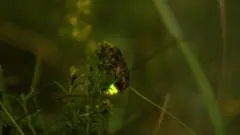
Benfield Hill Nature Reserve near Hove has emerged as a key stronghold for glow worms, with conservationists spotting 60 glowing females in a single evening during the current summer breeding season. Volunteers from the Benfield Wildlife and Conservation Group have been managing the chalk grassland, notably leaving patches of grass longer so females can climb stalks to attract mates, in an effort to sustain the population. This matters because glow worms are considered at risk nationally due to habitat loss, climate change and light pollution, and because females cannot fly, meaning local populations, once lost, are gone for good without deliberate reintroduction.
Female glow worms, actually a type of beetle, emit a green bioluminescent glow for a short window in June and July to attract flying males, but conservationists warn that artificial light can prevent males from finding them. Elsewhere, South Downs National Park rangers released 250 glow worm larvae sourced from Devon near Alton, Hampshire, in an experimental bid to reintroduce the species to an area where it had vanished. The Wildlife Trust says the UK has lost more than 80% of its chalk grassland since the Second World War, while across Europe five glow worm species are threatened with extinction and the common glow worm is near threatened; the South Downs, marking ten years as an International Dark Sky Reserve this year, is seen as one of the best regional habitats due to its unusually dark skies.
- Benfield Hill reserve near Hove found to host 60 glowing female glow worms in a night
- Volunteers manage grassland; South Downs released 250 larvae to restore lost population
- Habitat loss and light pollution threaten glow worms; UK has lost 80%+ of chalk grassland