New releases, music videos and album news — indie, rap, rock and pop. Always covering Ren, Chris Webby, Sam Tompkins, bbno$, CHINCHILLA, Muse, Yungblud and more.
The Number Ones: Lizzo’s “About Damn Time”
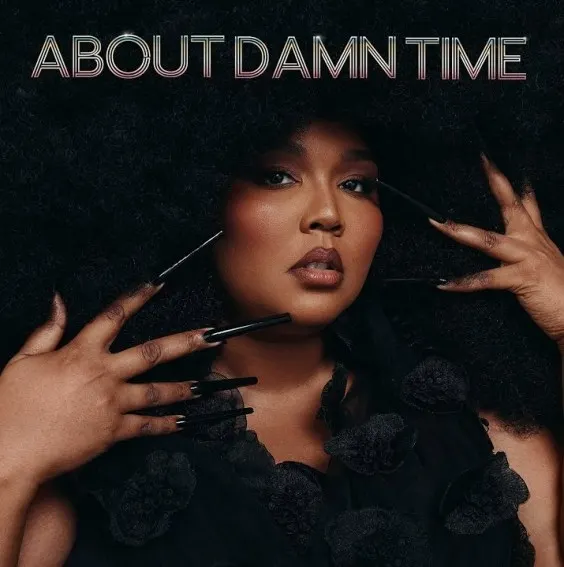
The article examines how Lizzo’s “About Damn Time” became her second US number one and what the song represents in hindsight. It argues that Lizzo’s upbeat, self-affirming image made her a symbol of millennial optimism, but that image later collided with allegations from former dancers, which Lizzo denied and which remain the subject of lawsuits.
The song arrived during a period when Lizzo was highly visible, though her earlier tracks “Truth Hurts” and “Good As Hell” took time to become major hits after going viral in 2019. The article places her success within the Trump-era pop landscape and reflects on how changing cultural tastes, alongside the allegations, altered public perceptions of her music. The supplied article text ends mid-sentence, so it does not include the full account of the single’s chart run or production.
In short
- “About Damn Time” was Lizzo’s second US number one.
- Her sunny self-empowerment image shaped how listeners saw her.
- Allegations from former dancers, which she denied, changed that perception.
Steelman: both sides, in good faith
The strongest fair case each way — we don't pick a winner.
The case for
Supporters may see “About Damn Time” as a buoyant, self-affirming pop song whose message of confidence and release resonated with listeners during a politically anxious period. They may argue that later allegations should be taken seriously on their own evidence, while the song’s cultural meaning and listeners’ personal responses need not be erased by claims that remain contested in court.
The case against
Others may argue that the song’s celebration of empowerment is harder to separate from Lizzo’s public persona after former dancers made serious allegations, which she denies and which remain subject to lawsuits. They may see the contrast as a reason to reassess the song’s place in the pop landscape, while recognising that the legal claims have not been resolved.