Politics news and discussion on TalkFuse.
The Nvidia Affairs
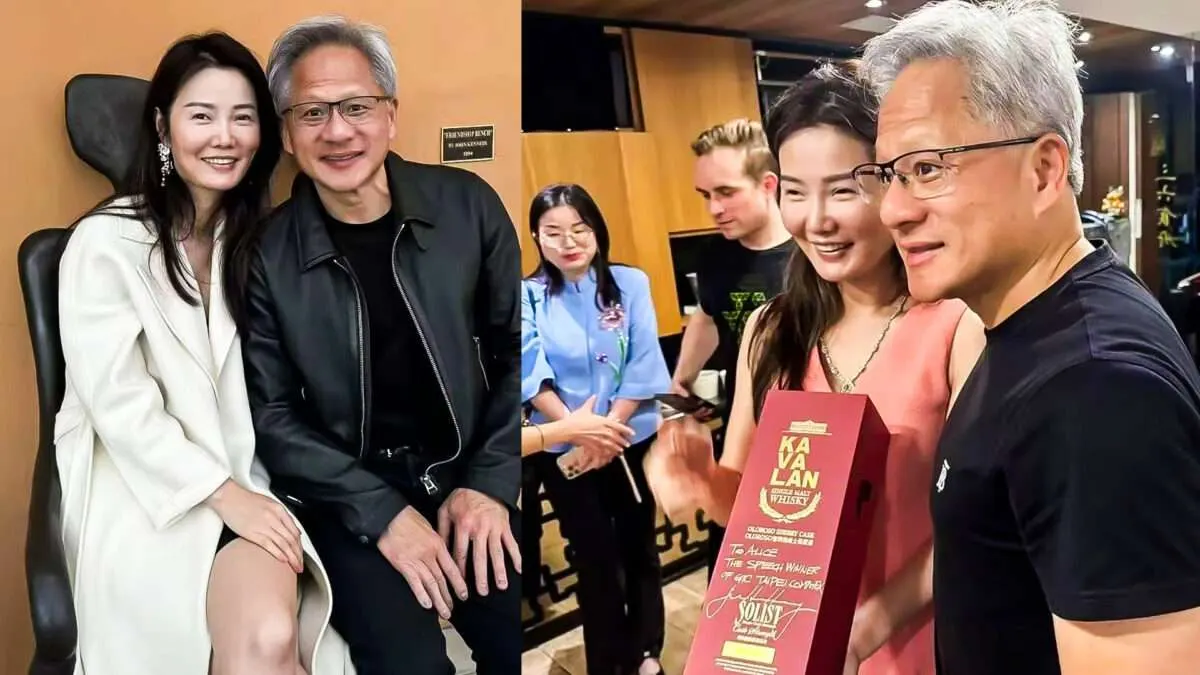
Nvidia chief executive Jensen Huang has resigned after an extramarital affair with a woman credibly accused of being a Chinese spy, raising national security concerns around a leader of a strategically important technology company. The report also notes a separate alleged relationship with a former subordinate, but says it is less relevant to national security.
Nvidia grew from making graphics cards for gaming computers into a dominant supplier of chips used to develop artificial intelligence, making Huang a prominent figure in markets and technology policy. US President Donald Trump said he had spoken with Huang and believed his claim that he did not know the woman was a spy.
In short
- Jensen Huang has resigned as Nvidia chief executive.
- The reported affair involved a woman credibly accused of spying for China.
- Donald Trump said Huang told him he had no idea she was a spy.
Steelman: both sides, in good faith
The strongest fair case each way — we don't pick a winner.
The case for
Those calling for Huang’s resignation can argue that a chief executive of a strategically important technology company carries duties beyond ordinary private conduct. A relationship with someone credibly accused of espionage could create security, coercion or reputational risks, and stepping aside may help protect trust in the company even without proof that sensitive information was compromised.
The case against
Those opposing resignation can argue that an alleged affair, even with a person accused of spying, does not establish that Huang knew of the accusation or shared confidential information. If there is no evidence of a security breach, judging him by the other person’s alleged conduct risks unfairly penalising him for private choices and could set a precedent that suspicion alone disqualifies business leaders.
Explained simply
Nvidia began by making graphics cards for gaming computers and has become a major supplier of chips used to develop artificial intelligence. Its chief executive, Jensen Huang, is a prominent figure in both the technology industry and debates about US technology policy.
The company’s importance means questions about its leadership can have wider implications, particularly where access to sensitive technology and national security are concerned. US President Donald Trump has said he spoke with Huang and believed his account that he did not know the woman was a spy.