World news and discussion on TalkFuse.
Trump backs Nvidia chip sales to China despite export scrutiny
Developed over time first seen 3 days ago
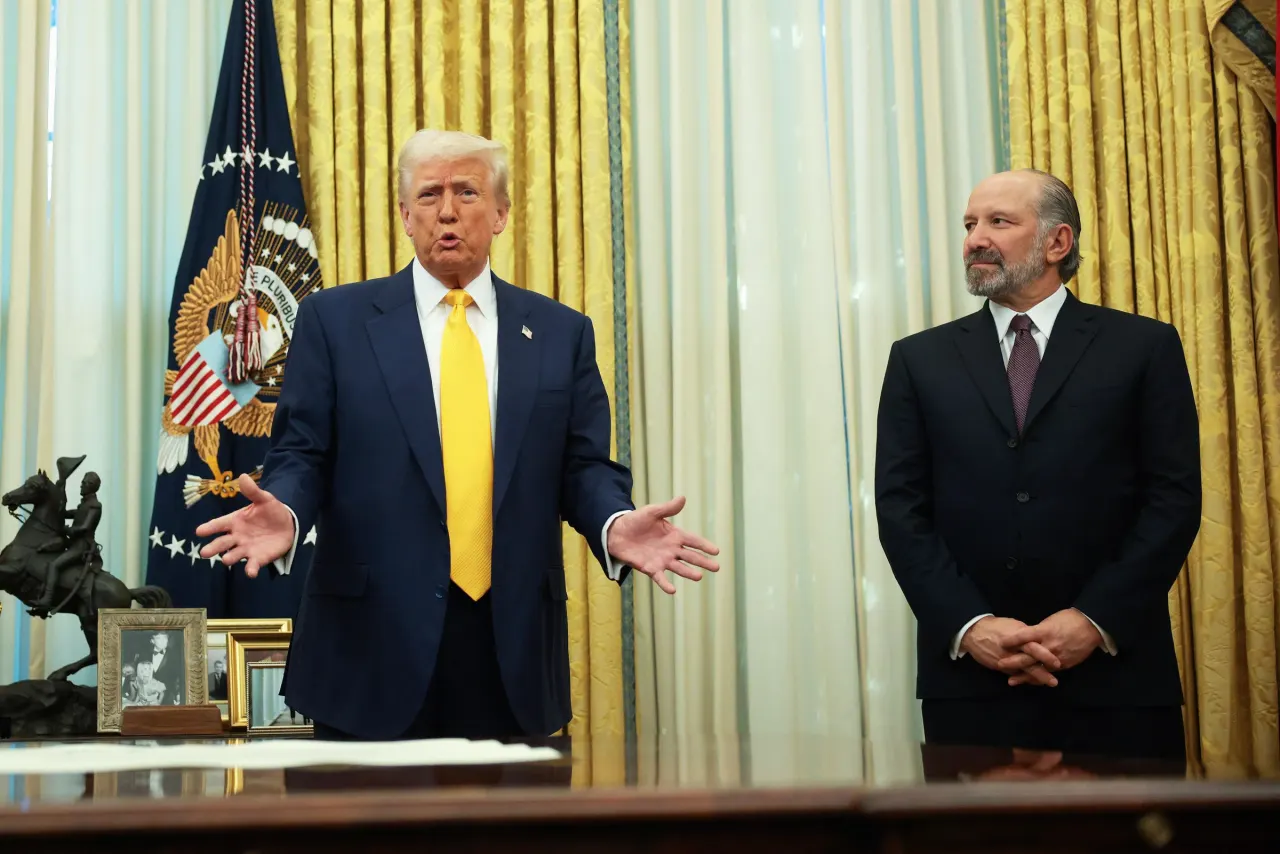
President Donald Trump has defended Commerce Secretary Howard Lutnick’s cautious approach to Nvidia chip exports to China, despite criticism from Treasury Secretary Scott Bessent. Trump argues that allowing some sales could keep China reliant on US technology, support American technology stocks and avoid damaging relations with Beijing.
The dispute centres on Megaspeed, which reportedly obtained Nvidia H200 chips through a chain of companies linked to blacklisted Chinese server group Inspur. Rather than immediately adding Megaspeed to the US entity list, Trump directed Lutnick to develop a rule targeting Chinese AI labs that access US chips remotely through data centres in Southeast Asia. The administration says China must not acquire Nvidia’s newest Blackwell and Rubin chips; the H200s are from the previous Hopper generation. US officials have also been wary of triggering Chinese retaliation after earlier export restrictions prompted a suspension of rare earth exports.
- Sources
- 2
- Outlets
- 2
- Left · Centre · Right
- 0 · 1 · 0
In short
- Trump backs allowing some Nvidia chip sales to China.
- Megaspeed reportedly obtained H200 chips via companies linked to Inspur.
- A proposed rule would target remote access to US chips.
How this story developed
- 3 days ago Trump continued to defend Lutnick as Treasury Secretary Scott Bessent questioned delays in blacklisting Megaspeed over its reported route to H200 chips through firms linked to Inspur; the administration instead pursued rules on remote access to US chips from Southeast Asian data centres.
- 3 days ago Donald Trump backed Commerce Secretary Howard Lutnick over Nvidia H200 chip exports to China, favouring limited sales to preserve Chinese reliance on US technology and support US tech stocks.
Steelman: both sides, in good faith
The strongest fair case each way — we don't pick a winner.
The case for
Allowing limited sales of older Nvidia chips could help keep Chinese firms reliant on US technology, sustain American companies’ revenue and influence, and preserve room for negotiation with Beijing. A targeted rule against remote access through third countries may address evasion while avoiding a blanket restriction that could prompt retaliation and accelerate China’s development of domestic alternatives.
The case against
The Megaspeed case suggests that indirect sales can let blacklisted Chinese firms obtain advanced US chips, weakening export controls and potentially supporting China’s strategic capabilities. Delayed restrictions may also undermine confidence in enforcement; advocates of tighter limits could argue that preventing access should take priority over near-term commercial gains or hopes of maintaining technological dependence.
Explained simply
Nvidia is a US company that designs chips used to train and run artificial intelligence systems. The US government restricts exports of some advanced chips to China, citing concerns about their use in sensitive technologies, while China seeks access to computing power for its own AI development.
The debate involves President Donald Trump, Commerce Secretary Howard Lutnick and Treasury Secretary Scott Bessent, who have differed over how to handle chip sales. A separate concern is that Chinese firms could reach US chips through data centres in other countries, making it harder to enforce export rules.
The issue matters because export controls affect US technology companies, competition in AI and relations between Washington and Beijing. Restrictions can also prompt Chinese responses that affect American businesses.
Coverage · 2 sources
Asia Business Companies Government Politics World
Read the full article at the source →
Originally published by Wired as “The Nvidia Scandal Could Upend Chip Sales to China. Trump Wants to Keep Them Going”.