Entertainment news and discussion on TalkFuse.
‘The Odyssey’s Christopher Nolan Explains Why “No One Will Ever See” Deleted Scenes Of Epic
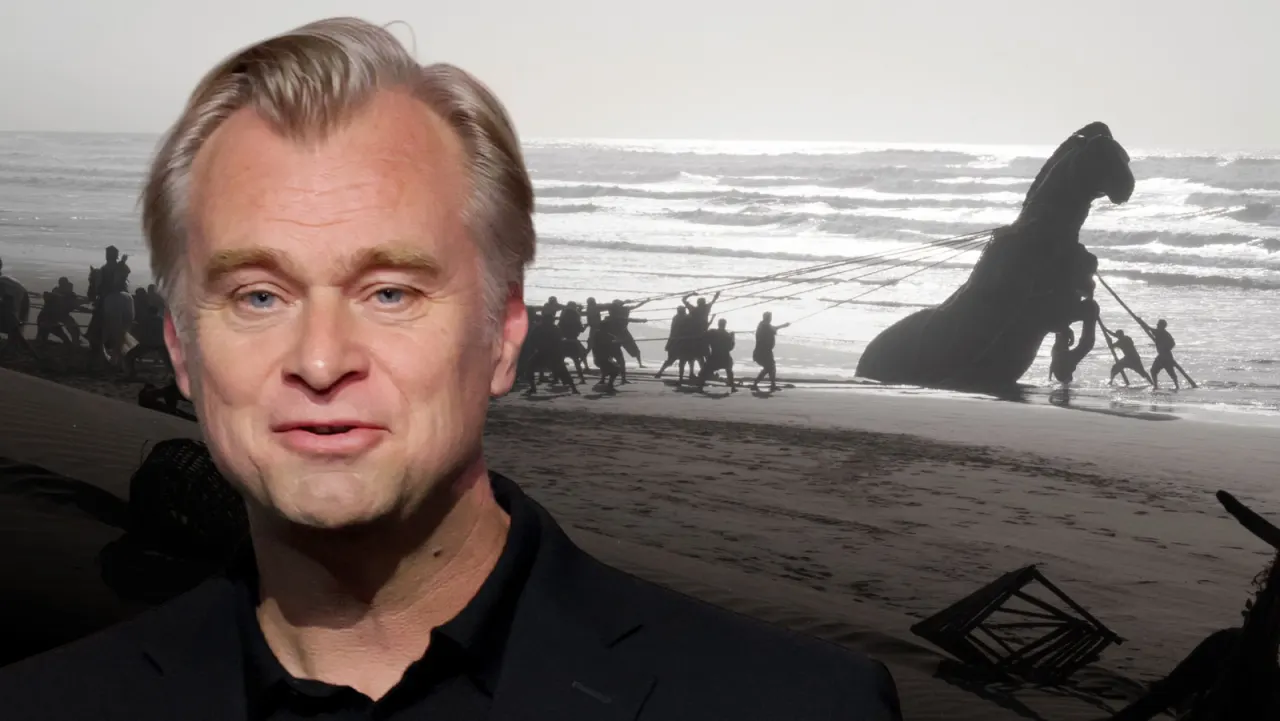
Christopher Nolan says viewers will not see deleted scenes from *The Odyssey*, explaining that he does not believe in director’s cuts and wants to stand by the version released in cinemas. He says he removes material during writing and editing, and considers it his responsibility to defend the final cut through to its theatrical release.
Nolan said relatively few scenes were filmed only to be cut, given the demands of shooting on mountains, in rain or on boats. The article notes that *The Odyssey* became his highest-grossing film, earning $1.1 billion worldwide, and recalls his description of making it as arduous.
In short
- Nolan says deleted scenes from *The Odyssey* will not be released.
- He prefers to stand by the film’s theatrical cut.
- The film earned $1.1 billion worldwide.
Steelman: both sides, in good faith
The strongest fair case each way — we don't pick a winner.
The case for
Nolan’s position treats a film’s theatrical release as a deliberate, finished work for which the director should take responsibility. With a production shaped by demanding locations and conditions, he may see extensive deleted-scene releases or later cuts as distracting from the choices that give the film its intended form.
The case against
Audiences and collaborators can reasonably value access to scenes that did not make the theatrical cut, both for the creative insight they offer and because they may contain performances or ideas worth seeing. A director’s cut or deleted-scenes release need not displace the original; it can preserve additional material and let viewers judge how editing shaped the finished film.
Explained simply
The Odyssey is Christopher Nolan’s film based on an ancient Greek poem about Odysseus’s long journey home after the Trojan War. The poem has been retold many times in books, theatre and films, and Nolan’s version was made on a large scale, with scenes filmed in difficult outdoor conditions.
Nolan is the film’s writer and director, and the final cut is the version released to cinemas. A director’s cut is a later version that may include changes or footage left out of the cinema release; Nolan says he prefers to stand by the version audiences first see.
The film’s reported box-office success and demanding production have drawn attention to how it was made. The question of deleted scenes also reflects a wider difference in how filmmakers treat material that does not make it into a released film.