The Odyssey’s most important visual was inspired by a 58-year-old twist from a classic sci-fi movie
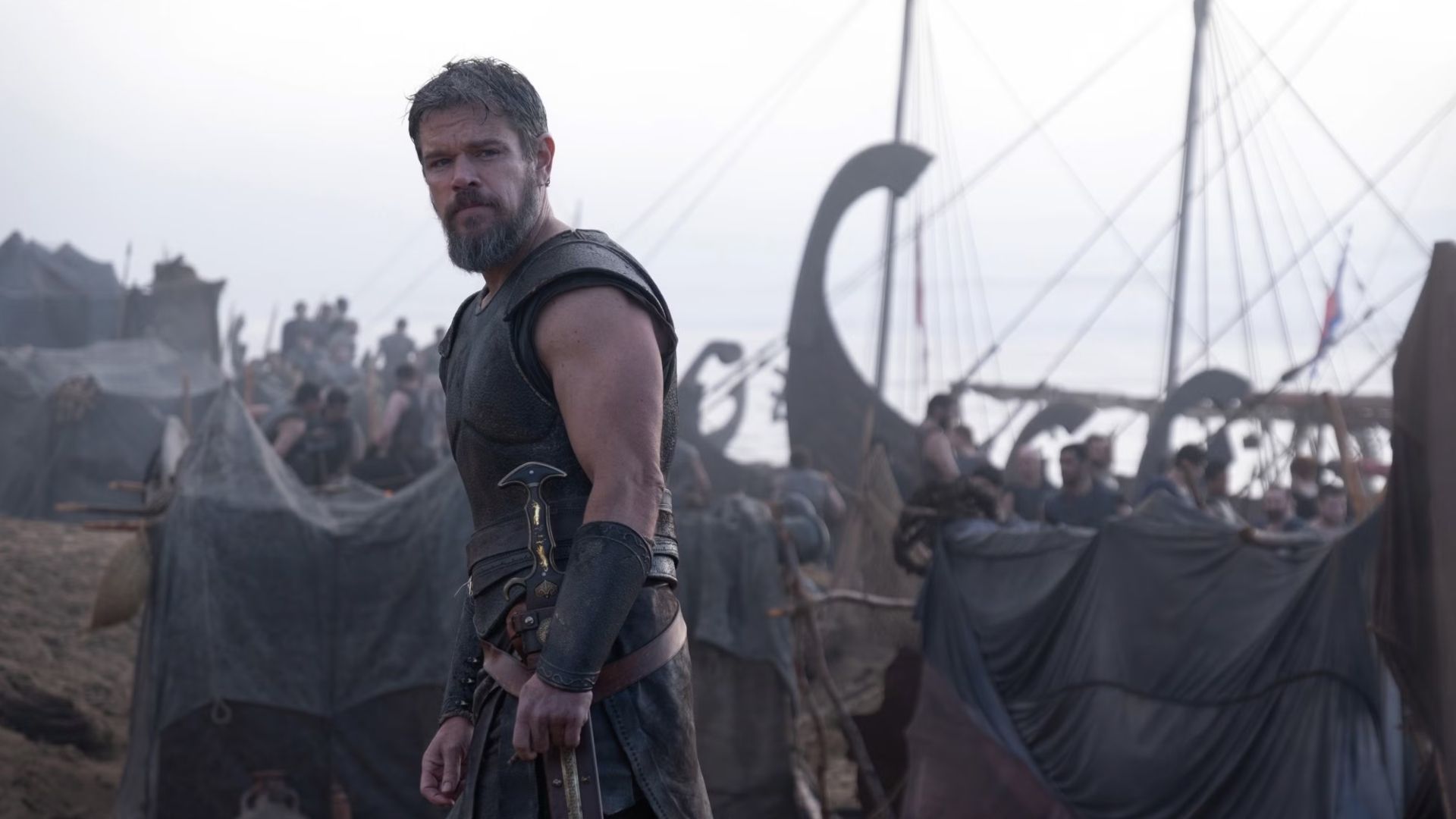
Director Christopher Nolan's film adaptation of Homer's Odyssey prominently features the Trojan Horse, drawing artistic inspiration from the 1968 science fiction film The Planet of the Apes. Nolan was particularly influenced by that film's famous depiction of a ruined Statue of Liberty partially submerged on a beach—an image that crystallised his two-decade vision for portraying the legendary wooden horse. Both scenes employ the visual motif of a once-monumental structure rendered desolate and abandoned by natural forces, creating a powerful aesthetic of historical ruin and destruction.
The Trojan Horse's symbolic meaning undergoes substantial transformation throughout The Odyssey depending on who narrates it. When other characters recount the story, the horse signifies Odysseus' military genius and strategic triumph. However, when Odysseus himself tells the account to Penelope, an entirely different emotional landscape emerges: he is consumed by remorse over the slaughter of innocents his deception enabled. Nolan reinterprets the classical narrative so that the horse becomes a manifestation of transgression against Xenia, the ancient Greek principle of hospitality to strangers, and frames this moral violation as the fundamental cause of Odysseus' prolonged exile.
- Nolan drew inspiration for the Trojan Horse visual in his Odyssey film from Planet of the Apes' iconic ruined Statue of Liberty sequence
- The horse's symbolic meaning shifts from military triumph to tragic moral transgression depending on the narrator
- The film attributes Odysseus' extended exile to his violation of Xenia, the ancient Greek principle of hospitality