World news and discussion on TalkFuse.
The ominous sign Super El Niño is ramping up: Global ocean temperatures hit a record high – and scientists say the worst is yet to come
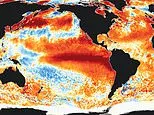
Global ocean temperatures have reached their highest daily average on record, in what scientists say is an ominous sign of a building "Super El Niño." The Copernicus Climate Change Service confirmed sea surface temperatures outside polar regions hit 21.1C on 22 August, surpassing the previous record set in March 2024, and making it the hottest August day for the world's oceans ever recorded. Experts warn El Niño is compounding decades of human-caused ocean warming, meaning conditions are likely to worsen before they improve.
Temperatures in the key equatorial Pacific region, where El Niño originates, are already around 2.6C above the seasonal average, with the Met Office predicting warming could reach 3C and some forecasts suggesting up to 4C. Scientists note the record is particularly alarming because sea surface temperatures normally peak in March or April, meaning a record set in late August signals an unusually powerful and early-developing event. Samantha Burgess of the European Centre for Medium-Range Weather Forecasts described it as "another clear signal of an ocean under growing stress," while the phenomenon is also expected to bring wetter, stormier autumn weather to the UK.
In short
- Global ocean temperatures hit a record 21.1C on 22 August
- A "Super El Niño" is building in the tropical Pacific
- Scientists warn conditions will worsen, affecting UK autumn weather
Explained simply
El Niño is a recurring climate pattern in which unusually warm water builds up in the central and eastern tropical Pacific. It can shift weather patterns around the world, bringing different regions more rain, drought or heat; its effects vary from one event to another.
The oceans absorb much of the extra heat trapped by greenhouse gases from human activity, so their temperatures have risen over time. When El Niño adds further warming in the Pacific, it can affect marine ecosystems and weather, including rainfall and storm patterns far from the region.
Americas Research Science World