Culture news and discussion on TalkFuse.
The one genre Linda Ronstadt and Tom Petty both hated: “I don’t care for it”
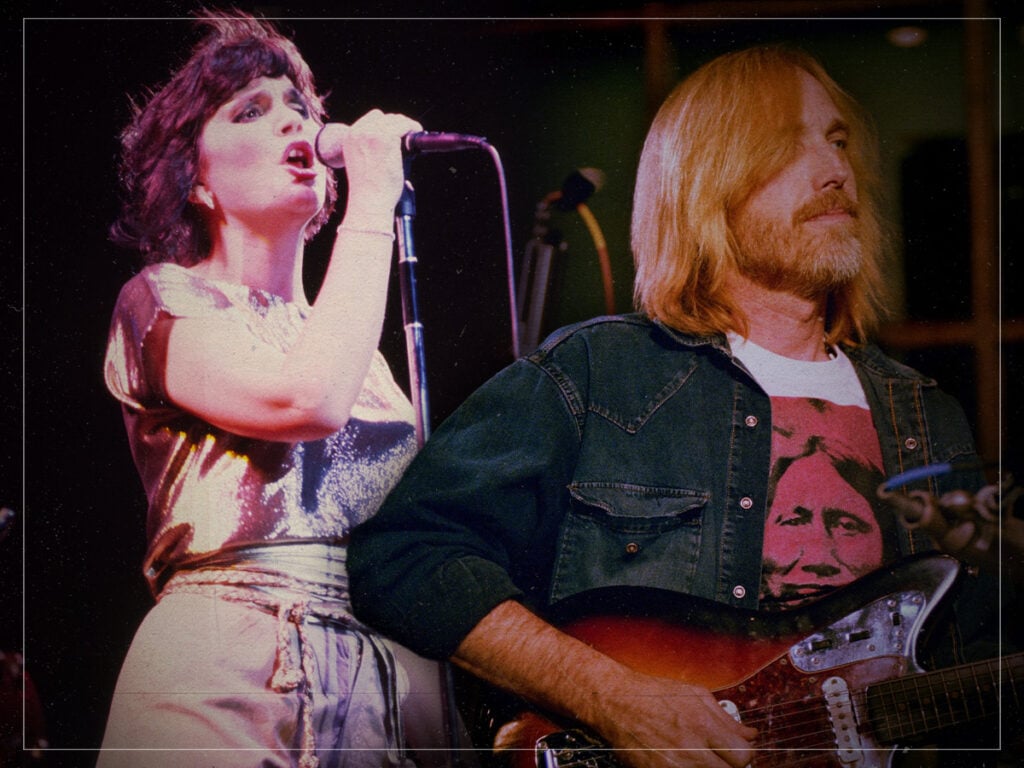
Linda Ronstadt and Tom Petty both expressed dislike for modern country music, arguing that it had moved too far from the genre’s roots. The article presents their views as a shared preference for older, more authentic forms of American country and rock music.
Ronstadt contrasted contemporary country with the older music she associated with genuine rural origins, dismissing it as overly commercial. Petty similarly described much modern country as rock music with fiddle added, while noting that rock and roll itself drew heavily on country traditions from the late 1950s and early 1960s.
In short
- Ronstadt and Petty disliked modern country music.
- Both preferred older country’s rootsier sound.
- They criticised the genre’s commercialised direction.
Steelman: both sides, in good faith
The strongest fair case each way — we don't pick a winner.
The case for
Ronstadt and Petty’s criticism can be understood as a defence of country’s musical roots and regional traditions. They might argue that commercial pressures have made much contemporary country formulaic, and that adding country instruments to rock arrangements does not necessarily preserve the genre’s distinctive sound or history.
The case against
Country music has always changed through encounters with other styles, and blending rock with fiddle or other country elements can be a genuine continuation of that tradition. Contemporary artists may reach wider audiences and express present-day experiences while drawing on country’s older sounds; judging the genre by a fixed idea of authenticity risks overlooking that creative evolution.
Explained simply
Linda Ronstadt and Tom Petty are established American musicians who have worked across multiple genres during their careers. Both have recently expressed criticism of modern country music, arguing that it has moved away from the genre's authentic roots.
Ronstadt has argued that contemporary country has become overly commercial and disconnected from the rural traditions that once defined the genre. Petty has similarly characterised much of today's country music as essentially rock music with country instrumentation, particularly fiddles, rather than genuine country.
The debate reflects broader questions about musical authenticity and how genres develop over time. Both artists have highlighted the historical connections between rock and roll and country music from the nineteen-fifties and nineteen-sixties, suggesting the genres have always been closely intertwined.