Entertainment news and discussion on TalkFuse.
The one musician Joe Strummer knew no one could replace: “I’ll never forgive myself for shutting my mouth”
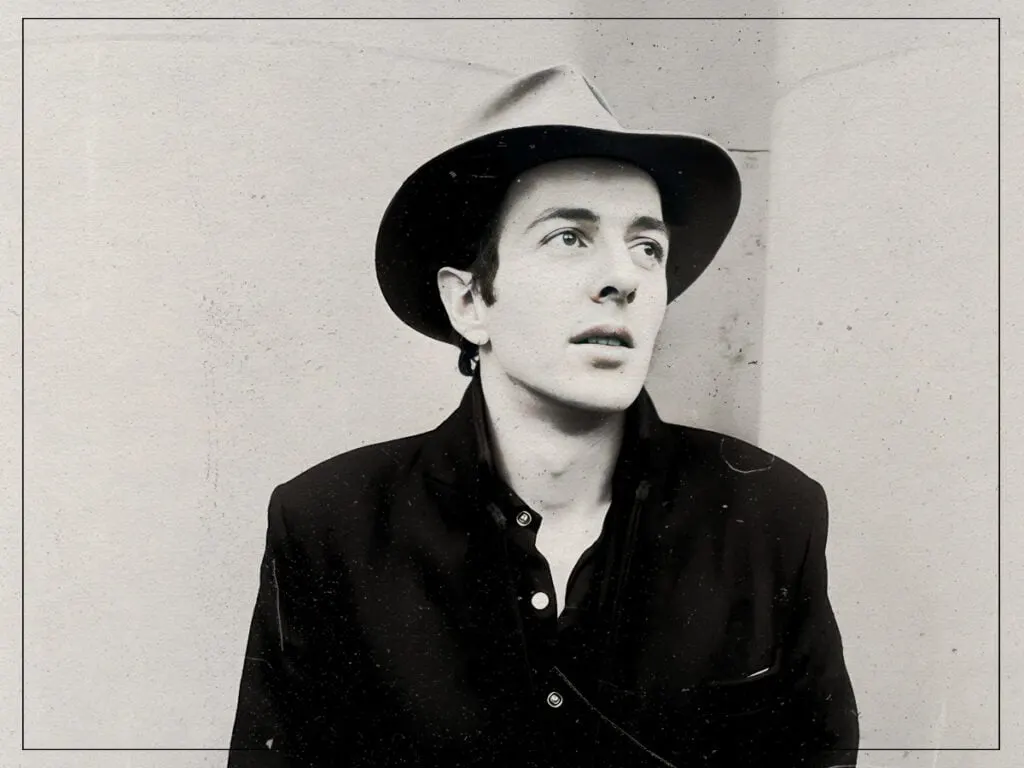
Joe Strummer later said The Clash began to fall apart when drummer Topper Headon was dismissed in 1982, and regretted staying silent as Headon returned to the band’s basement flat after being fired. Headon’s heroin addiction had led to erratic behaviour and unreliability, but Strummer felt the band should have tried to help him.
Headon had helped shape the group’s best-known line-up and devised the beat for “Rock the Casbah”. Mick Jones was dismissed in 1983 amid creative tensions and a contractual dispute, and The Clash split in 1986 after the poorly received *Cut the Crap*. In a 2000 documentary, Headon said he was sorry for his drug use and suggested the band might have stayed together had he not been fired.
In short
- Strummer saw Headon’s 1982 dismissal as the moment The Clash began to unravel.
- He regretted not speaking up when Headon returned after being fired.
- Headon later wondered whether the band might have survived if he had stayed.
Steelman: both sides, in good faith
The strongest fair case each way — we don't pick a winner.
The case for
Dismissing Headon can be defended as a necessary response to addiction-related unreliability that was disrupting the band and making it difficult to work together. A group facing those pressures had to weigh compassion against its responsibility to keep functioning, and could not assume that continuing unchanged would help Headon or the band.
The case against
The band could have treated Headon’s addiction as a serious health crisis and tried to support him before ending his place in the group. He was a valued musician whose drumming helped define the line-up, and Strummer later believed they should have made that effort; Headon’s own later regret also suggests the dismissal may have foreclosed a chance to recover together.
Explained simply
The Clash were a British punk band formed in the 1970s, with Joe Strummer as singer and guitarist. Drummer Topper Headon joined in 1977 and became part of the group’s best-known line-up, helping shape its sound.
Headon’s heroin addiction affected his reliability, and the band dismissed him in 1982. Mick Jones, another founding member, was dismissed the following year after creative and contractual disagreements; the band split in 1986. The events matter because Strummer later saw Headon’s departure as a turning point, while Headon said he regretted his drug use.