New releases, music videos and album news — indie, rap, rock and pop. Always covering Ren, Chris Webby, Sam Tompkins, bbno$, CHINCHILLA, Muse, Yungblud and more.
The one person Billy Joel needed to stop working with: “Didn’t have anything to say”
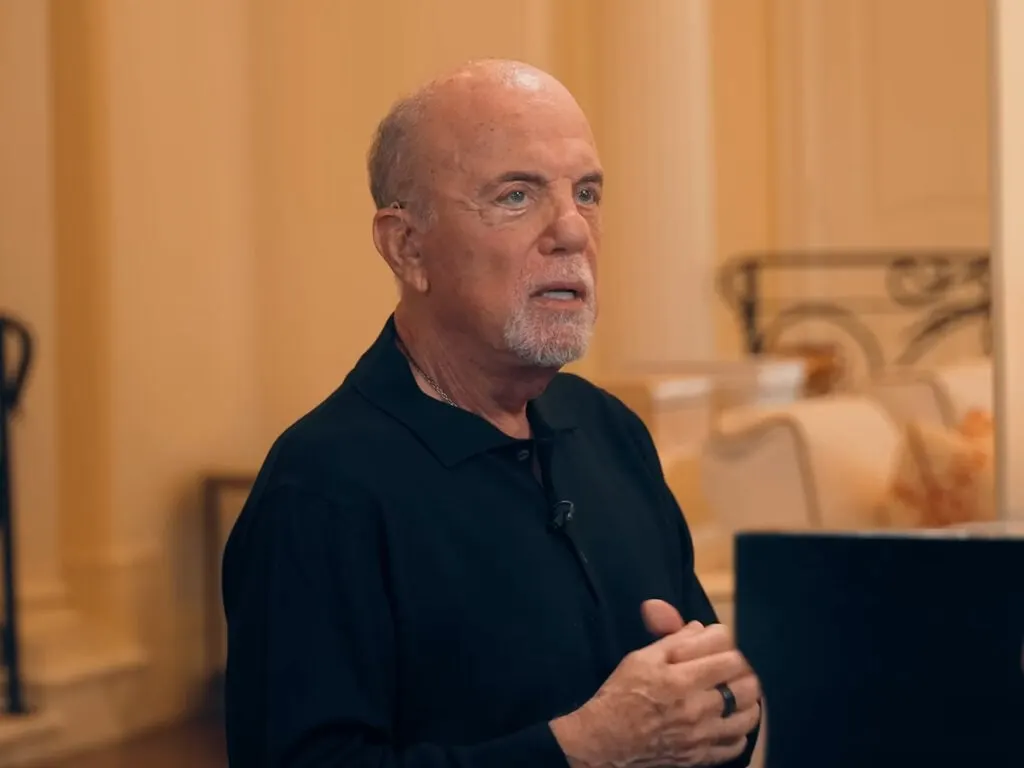
Billy Joel built his reputation primarily as a solo composer, preferring not to collaborate with outside songwriters but relying heavily on producers to shape his distinctive sound. His most creatively fertile period came through an extended partnership with Phil Ramone, whose production expertise was instrumental in developing Joel's signature piano-driven rock style and crafting several landmark albums that established him as a major commercial force.
After years of collaboration, Joel recognised that his creative relationship with Ramone had become stagnant, prompting him to seek fresh production approaches. He subsequently worked with Mick Jones, whose background in arena rock brought a more expansive, stadium-oriented production philosophy. This shift allowed Joel to continue developing artistically whilst reaching broader audiences, demonstrating how the right collaborators prove essential to an artist's evolution and commercial success.
In short
- Billy Joel ended his long creative partnership with producer Phil Ramone after feeling their working relationship had stagnated and lost direction
- He subsequently collaborated with Mick Jones, whose arena-rock production style helped revitalise Joel's sound for stadium audiences
Explained simply
Billy Joel is an American singer-songwriter known for writing and performing piano-led rock and pop songs. Although he generally wrote his songs alone, producers helped shape how they sounded on record.
Phil Ramone was a producer who worked with Joel on several albums during a particularly successful period in his career. A producer helps guide recordings, from the arrangements and performances to the finished sound.
Joel later worked with Mick Jones, a musician and producer associated with arena rock. The change in producer reflects how artists may seek different collaborators as their music and ambitions change.