The only time Sydney Sweeney questioned her nude scenes: “I wondered if I’d done too much”
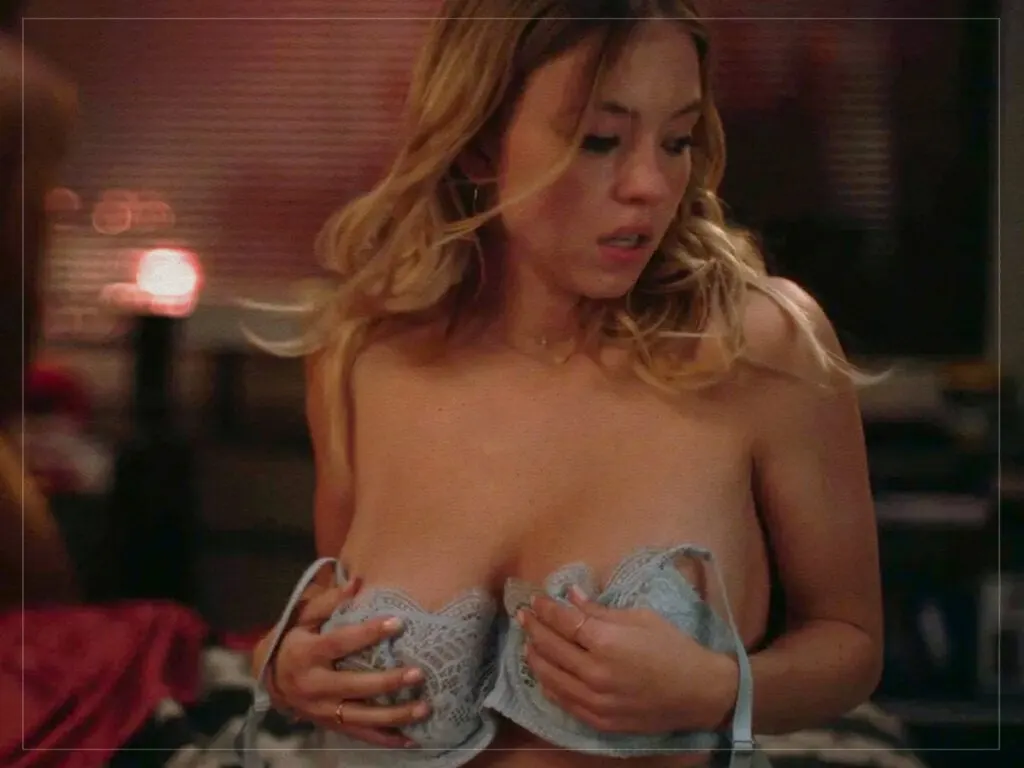
Sydney Sweeney says she briefly questioned whether she had gone too far with nude scenes after watching her film The Voyeurs. She described the scenes as technical rather than romantic and said the criticism women face for nudity reflects a double standard that she hopes to help change.
Sweeney contrasted women’s treatment with male actors who can receive praise and awards for nude performances, while women may be dismissed as taking their clothes off to get roles. The article also notes that social media can detach intimate scenes from their stories and circulate them widely, and that criticism of Sweeney’s later Euphoria role focused on whether it was gratuitous.
- Sweeney questioned her nude scenes after watching The Voyeurs.
- She says women face a harsher double standard than men.
- Social media can reduce performances to widely shared clips.
New here? Start with this
Sydney Sweeney is an American actor whose roles have included films and television dramas with nude scenes. The Voyeurs is a film in which she played a woman drawn into watching her neighbours; Euphoria is a television series in which she also appeared.
Nudity in film and television can be part of a character or story, but audiences and critics disagree about when it is necessary. Intimate scenes are usually planned and filmed as part of a production, yet clips can later circulate on social media without the surrounding story.
Debate over these scenes also touches on how women and men in the entertainment industry are judged differently. The discussion matters to actors, filmmakers and viewers because it raises questions about creative choices, reputation and who gets to decide whether a scene is justified.
Both sides, in good faith
The strongest fair case each way — we don't pick a winner.
The case for
Nude scenes can be a legitimate part of a character or story, and women actors should be judged by the same standards as men rather than presumed to be seeking attention or roles through exposure. Sweeney’s account also points to a real artistic concern: when intimate scenes are detached from their context online, performers can lose control over how their work is seen and discussed.
The case against
Audiences and critics can reasonably question whether nudity serves a story or is included gratuitously, especially when intimate scenes are easily circulated beyond their original context. Scrutiny of a particular performance need not reflect a gender double standard; applying consistent standards means examining the scene’s purpose and treatment, rather than assuming either that it is empowering or that it exploits the actor.