World news and discussion on TalkFuse.
The outcome of the US and Israeli elections are intertwined. Here’s how
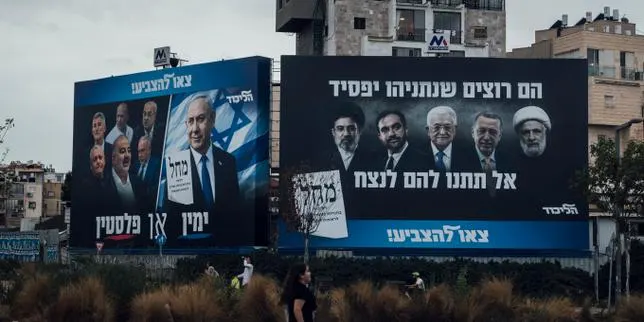
Israel’s 27 October parliamentary election produced no clear winner and dealt a setback to Benjamin Netanyahu’s policies. Eight days later, Democrats’ strong performance in US midterm elections, alongside victories by left-wing candidates critical of Israeli policy, underscored how declining support for Israel in the United States could affect the relationship between the two countries.
The article says Israeli parties largely avoided discussing West Bank annexation and rejected alliances with Arab-Israeli parties, while concerns about racism and far-right ministers remained. US President Donald Trump said he wanted to end annual US security aid to Israel, currently $3.8 billion through 2028; some Democrats were already calling for it to be suspended. Former Israeli army chief Gadi Eisenkot promised “new leadership” but did not address settlements, Gaza’s reconstruction or the wars launched under Netanyahu.
In short
- Israel’s election left no clear winner.
- Democrats’ midterm gains highlighted falling US support for Israel.
- The $3.8 billion annual security aid is under debate.
Steelman: both sides, in good faith
The strongest fair case each way — we don't pick a winner.
The case for
The elections suggest that political support for Israel in the United States may be becoming less automatic, giving voters and elected officials reason to reassess aid and policy in light of concerns about settlements, Gaza and far-right influence. Making security assistance more conditional, or debating its continuation, could provide leverage for change and better align US policy with the views of a changing electorate.
The case against
A close relationship and continued security assistance can be defended as serving US strategic interests and Israel’s security, especially amid regional conflict. Critics of reducing aid may argue that it risks weakening a key ally without resolving disputes over settlements or Gaza, and that engagement and diplomacy offer a more constructive way to influence Israeli policy.
Explained simply
Israel and the United States are close allies, with long-standing military and diplomatic ties. Israel’s parliament is elected through a system in which parties win seats and then try to form a governing coalition, so election results can leave the country without a clear majority.
Benjamin Netanyahu is a central figure in Israeli politics, while Gadi Eisenkot, a former army chief, has also entered politics. Key debates include Israel’s control of the occupied West Bank, the future of Gaza and the role of far-right parties; Arab-Israeli parties have often been kept out of governing coalitions.
In the United States, support for Israel has traditionally had backing from both major parties, though some Democrats have called for changes to US policy and aid. US security assistance is part of the countries’ relationship, so shifts in American public and political opinion can affect decisions made by Israeli leaders.
Americas Elections Middle East Politics World