“The paganism was never a problem. All of us shared an interest in that side of things”: The story of Sabbat’s cult pagan-thrash classic Dreamweaver: Reflections Of Our Yesterdays
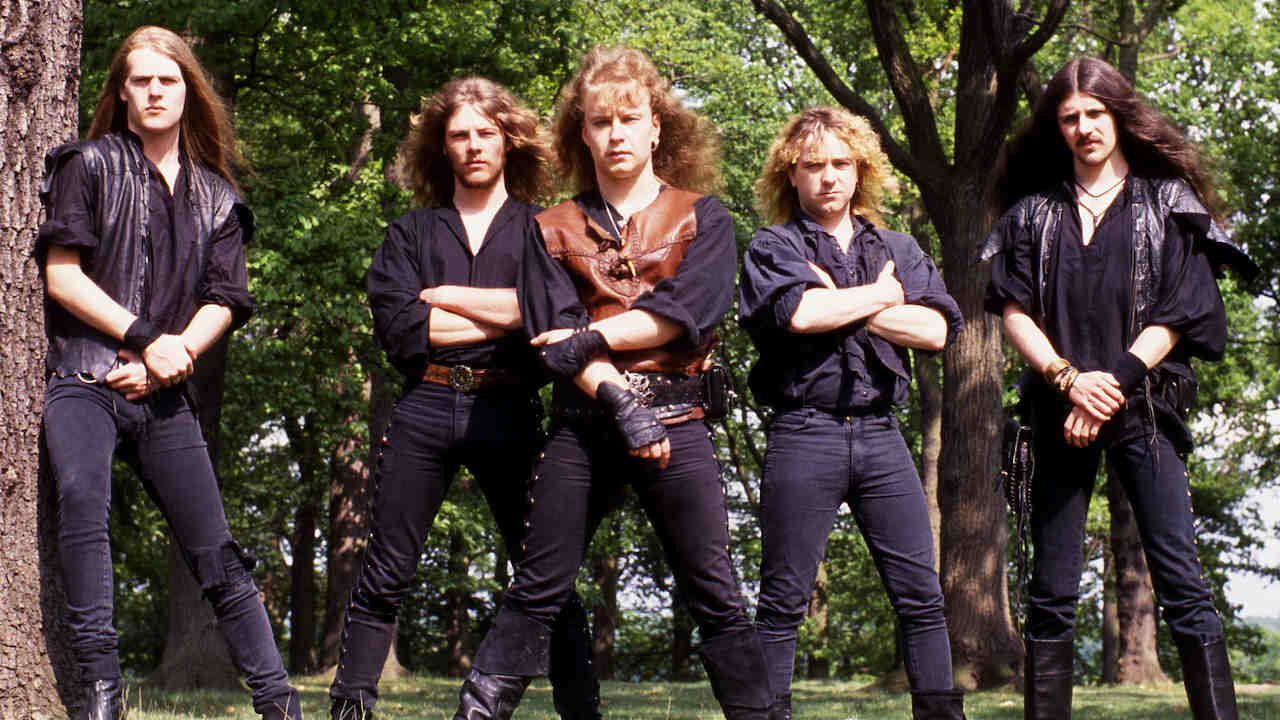
This feature from Louder revisits the making of Dreamweaver: Reflections Of Our Yesterdays, the acclaimed 1989 album by Nottingham pagan-thrash band Sabbat, exploring how a British group with strong folk, progressive and pagan influences briefly rivalled thrash contemporaries from the US and Germany during a period when British metal was otherwise struggling to make an international mark. It matters as a piece of overlooked UK metal history, highlighting a band whose ambitious, theatrical sound set them apart from more generic thrash acts of the era.
The piece traces Sabbat's origins to June 1985 as Hydra, formed by vocalist Martin Walkyier, bassist Fraser Craske and guitarist Andy Sneap, before line-up changes—including drummer Simon Negus replacing Mark Daley, and the departure of second guitarist Adam Ferman—led to the band renaming itself Sabbat. It also touches on early demo material, including Magik In Theory, and features band members reflecting on how their shared interest in paganism shaped the album's distinctive identity without becoming a point of internal conflict.
- Feature revisits Sabbat's 1989 pagan-thrash album Dreamweaver's creation.
- Nottingham band formed in 1985, originally called Hydra.
- Band members recall paganism as a shared, unifying influence.
New here? Start with this
Sabbat were a British thrash metal band formed in Nottingham in the mid-1980s, at a time when the genre was dominated by acts from the United States and Germany. What set them apart was their fusion of thrash with folk, progressive rock and pagan themes, giving their music a more theatrical and distinctive character than many of their peers. Their key album, Dreamweaver: Reflections Of Our Yesterdays, released in 1989, is now regarded as a cult classic within the genre.
The band grew out of an earlier group called Hydra, founded in 1985 by vocalist Martin Walkyier, bassist Fraser Craske and guitarist Andy Sneap. Several line-up changes followed, including a change of drummer and the departure of a second guitarist, before the group settled on the name Sabbat and developed the sound that would define their most celebrated work.
This background matters because it explains why a British band's success in this era stood out, and why an album blending heavy metal with folklore and pagan imagery has retained a devoted following and is still discussed by musicians and fans decades later.