The penguins are noisy, the people fantastic – what it takes to be an Antarctic postmaster
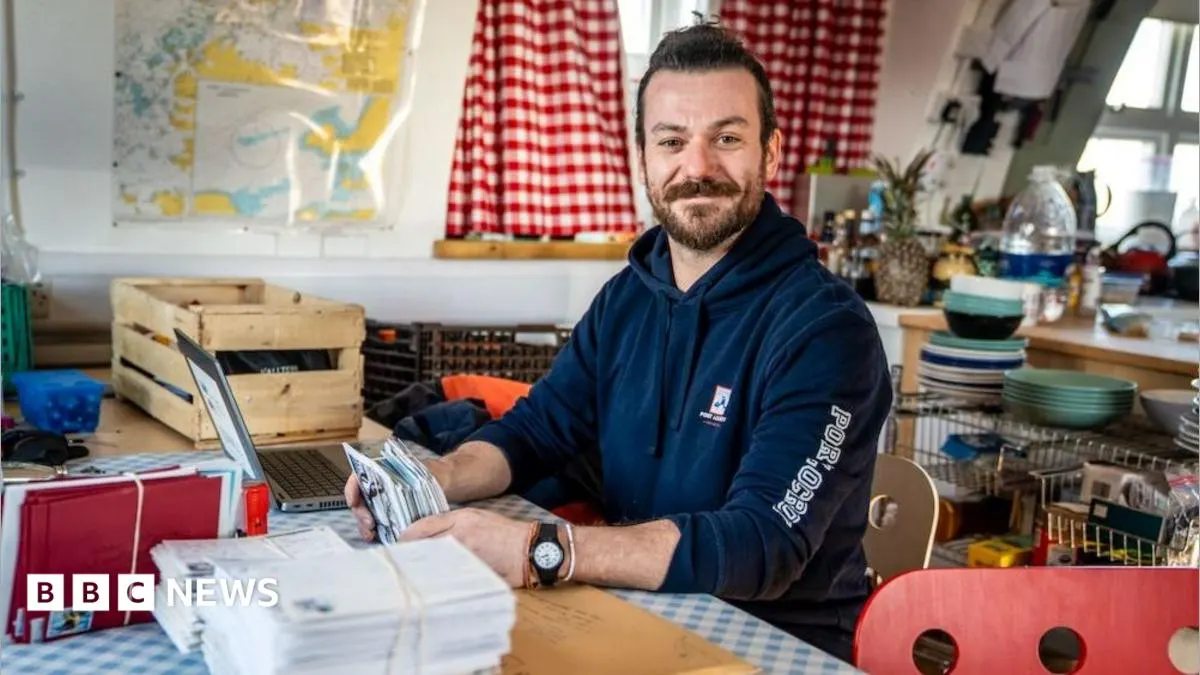
George Clarke is returning to Port Lockroy for a third five-month stint as postmaster, leaving Bristol to spend the Antarctic summer on a small island. His work illustrates how the remote post office operates and forms part of a wider effort to conserve a site associated with Britain’s exploration of Antarctica.
Clarke sorts and weighs postcards and letters, then asks ships heading north towards the Falkland Islands to carry the mail. The six-person team also maintains the site, records wildlife for the British Antarctic Survey and will continue a three-year restoration of Bransfield House, adding roof beams and 30 floor supports. Port Lockroy is home to about 1,000 gentoo penguins, and the journey there from the UK takes around a week.
In short
- George Clarke returns to Antarctica as Port Lockroy’s postmaster.
- Ships heading north carry the island’s post.
- A six-person team is restoring the historic Bransfield House.
Explained simply
Port Lockroy is a small British Antarctic research and historic site on Goudier Island, off the Antarctic Peninsula. Britain established a base there in 1944; it later became a museum and the continent’s only public post office.
The site is run by the UK Antarctic Heritage Trust, which sends a small team to work there during the Antarctic summer. Alongside handling visitors’ post, the team looks after historic buildings and records wildlife for the British Antarctic Survey.
The work connects the site’s history of British exploration with its present-day conservation. Port Lockroy is also an important breeding place for gentoo penguins, so looking after the buildings and monitoring wildlife are both part of the team’s role.