The Pentagon’s Space Development Agency hasn’t moved as fast as anyone would like
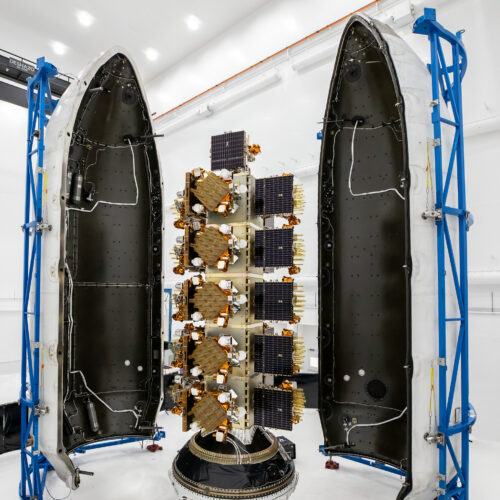
The Space Development Agency (SDA), created in 2019 to accelerate the US military's satellite programmes outside normal Pentagon bureaucracy, is finally deploying its first operational satellites just as the Pentagon prepares to dissolve it and absorb its work back into the Space Force's standard procurement system. Lawmakers in both houses of Congress have already backed the agency's closure in draft versions of this year's National Defense Authorization Act, though the missile-warning and data-relay satellite network it built will continue under new management as part of the Space Force's Golden Dome missile shield programme.
SDA's mission was to build a low-Earth-orbit constellation of several hundred satellites, known as the Proliferated Warfighter Space Architecture, to detect and track ballistic and hypersonic missiles more cheaply and effectively than the Pentagon's existing high-orbit satellites. Progress was slower than planned, hampered by delays, supply chain problems and technical faults, but the agency launched its third batch of data "transport" satellites on Thursday aboard a SpaceX Falcon 9 rocket from Vandenberg Space Force Base, bringing the total launched in this phase to 63. SDA director Gurpartap "GP" Sandhoo, who will retain oversight of much of the programme after the agency's dissolution, said the launch would help deliver near-instantaneous missile-tracking data to military forces worldwide.
- Pentagon plans to shut down its Space Development Agency and fold it into the Space Force
- SDA just launched its third satellite batch, hitting 63 transport satellites total
- Its missile-tracking mission continues under the Golden Dome shield programme