Science news and discussion on TalkFuse.
Thunberg condemns governments’ failure to tackle environmental breakdown at Cop31
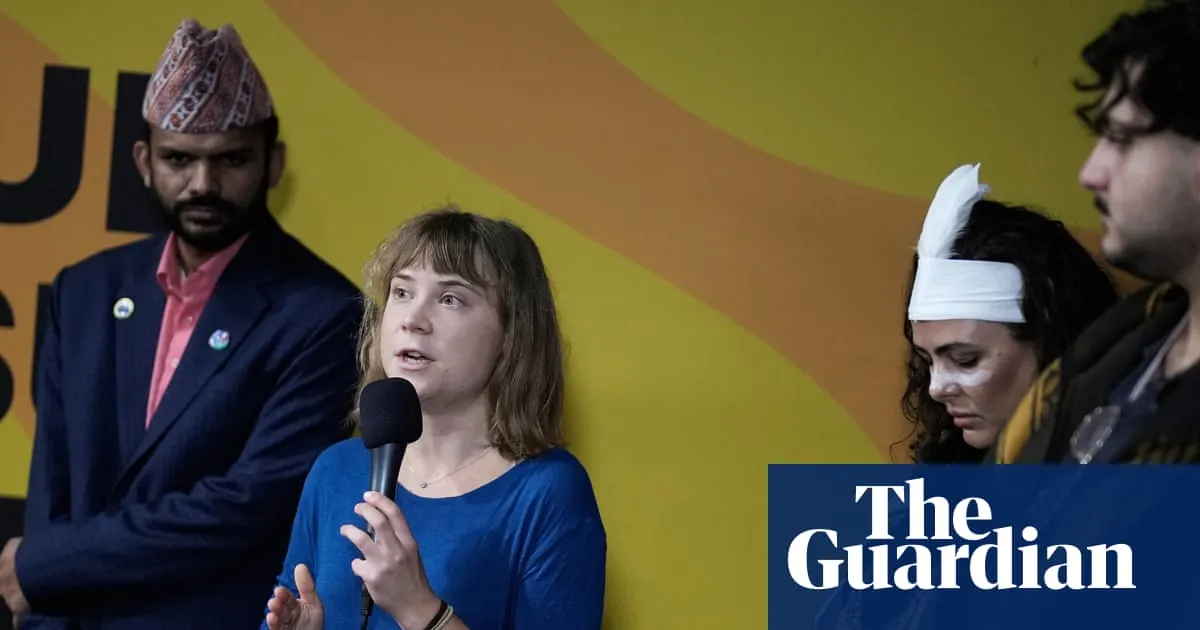
Greta Thunberg condemned governments at the Cop31 climate summit in Antalya, accusing them of failing to prevent environmental breakdown and protect human rights. Her return to the annual UN talks after five years linked the climate crisis with conflict and warned that worsening global heating could undermine basic rights and make necessities luxuries.
The summit’s fourth day also featured British prime minister Andy Burnham, who called the UK’s record hot summer “not normal” and backed proposals to electrify economies. Governments have yet to agree on a phaseout of fossil fuels, while Climate Action Tracker estimates current policies could lead to 2.7C of warming by 2100, above the 1.5C target. Nepal’s environment minister described an August landslide linked to melting glaciers that killed more than 1,500 people.
In short
- Thunberg accused governments of failing to confront environmental breakdown.
- Current policies could lead to 2.7C of warming by 2100.
- Cop31 negotiations include proposals to electrify economies.
Steelman: both sides, in good faith
The strongest fair case each way — we don't pick a winner.
The case for
Thunberg’s criticism reflects the view that governments have known the risks of climate change for decades yet have not cut emissions fast enough to protect people, ecosystems and basic rights. Supporters argue that phasing out fossil fuels and electrifying economies are necessary to limit further harm, especially to communities already facing heat, disasters and conflict.
The case against
A reasonable counterargument is that governments must balance emissions cuts with energy security, affordability and development, and that a rapid fossil-fuel phaseout could impose serious costs on households and economies. Advocates of a more gradual transition may also argue that climate policy should account for uncertainty in projections and prioritise measures that are practical, internationally coordinated and socially fair.
Explained simply
The UN climate talks, known as COP, bring governments together to discuss how to limit global heating and deal with its effects. The Paris climate agreement set a goal of keeping warming well below 2C and trying to limit it to 1.5C above pre-industrial levels.
Greta Thunberg is a Swedish climate campaigner who became widely known for urging leaders to act on climate change. Governments have agreed to cut emissions, but differ over how quickly to reduce the use of coal, oil and gas, which produce greenhouse gases when burned.
The issue matters because rising temperatures can intensify heat, harm ecosystems and increase risks to people’s homes, health and livelihoods. Climate policies affect how countries produce energy and prepare for those impacts, while also raising questions about fairness and human rights.
Climate Geopolitics Government Politics Science World
Read the full article at the source →
Originally published by The Guardian as “The planet ‘is being killed’, Greta Thunberg tells Cop31 climate summit”.