The Politics of Solar Energy Are Getting Weird, Mean, and a Little MAGA
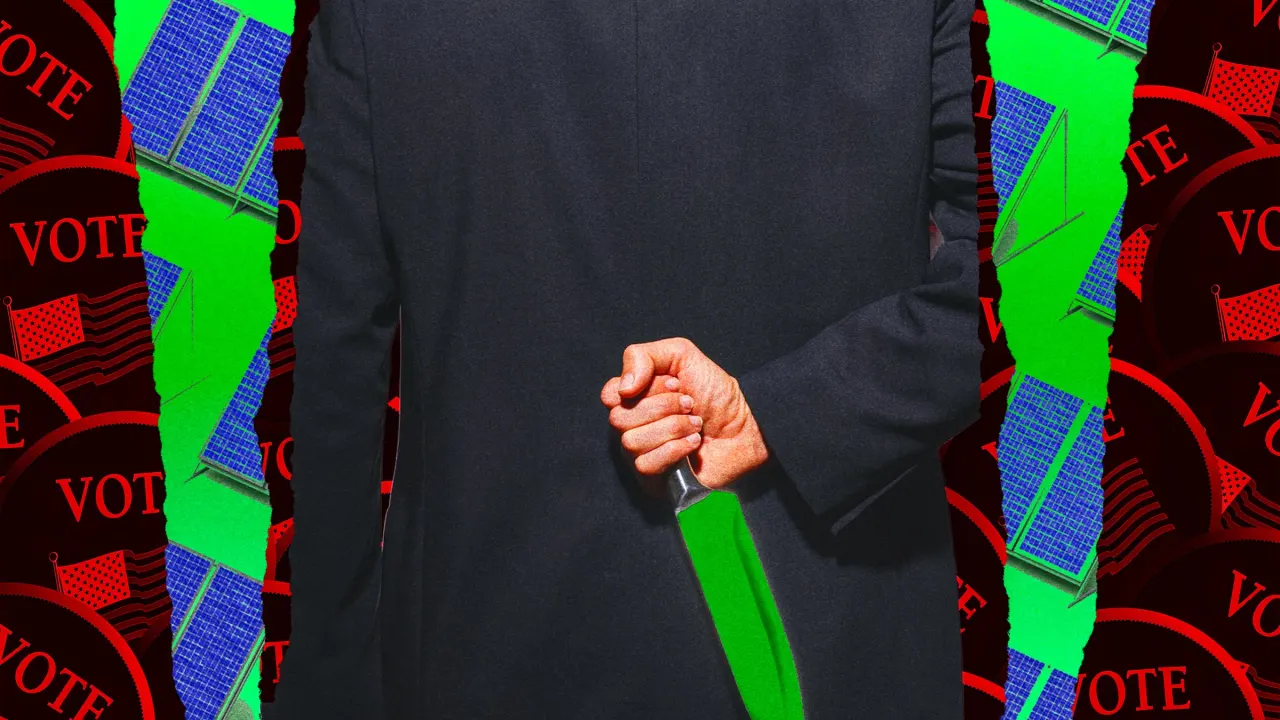
A pro-solar political action committee is spending heavily to defeat politicians who oppose renewable energy, using attack ads focused on their conduct and political credentials rather than mentioning solar. Its tactics reflect a more combative approach to energy politics, as solar gains support in unexpected places, including among some prominent conservatives.
The Invest in Tomorrow Coalition, backed in part by crypto billionaire Chris Larsen, plans to spend $15 million targeting seven candidates in November’s congressional elections, after spending about $5 million in primaries. Four candidates it targeted lost, including Texas representative Chip Roy, against whom it spent nearly $1.5 million; the coalition is also funding campaigns against Victoria Spartz, Brandon Herrera and Lauren Boebert. Some renewable-energy allies worry the ads could alienate decisionmakers or help elect candidates who are just as hostile to clean energy.
- A pro-solar PAC is spending $15 million on attack ads.
- Its primary targets have lost their races so far.
- The ads focus on MAGA credentials, not solar.
New here? Start with this
Solar power has become a bigger part of US energy policy as the cost of panels has fallen and more projects have been built. Federal and state decisions can affect the tax breaks, permits and investment that help those projects go ahead.
The Invest in Tomorrow Coalition is a political action committee, a group that raises and spends money to influence elections. Backed in part by technology investor Chris Larsen, it is targeting candidates who oppose renewable energy, while some conservatives have also voiced support for solar.
The campaigns show how energy policy is becoming part of wider political battles over party loyalty and candidates’ conduct. Their effects could matter for the make-up of Congress and for future decisions on renewable energy.
Both sides, in good faith
The strongest fair case each way — we don't pick a winner.
The case for
Supporters can argue that organised spending is a legitimate way to challenge politicians who obstruct renewable energy, and that forceful campaigns may make clean energy a more consequential electoral issue. Solar can also appeal across party lines, so building support among conservatives could broaden its prospects.
The case against
Critics can argue that attack ads centred on candidates’ conduct and political credentials obscure the policy dispute and may deepen partisan hostility. They may also backfire by alienating legislators or helping elect opponents who are no more supportive of clean energy, while allowing wealthy donors to exert outsized influence.
Americas Elections Entertainment Offbeat Politics TV Weird & Viral World