The primary is over; now come the primetime mistakes
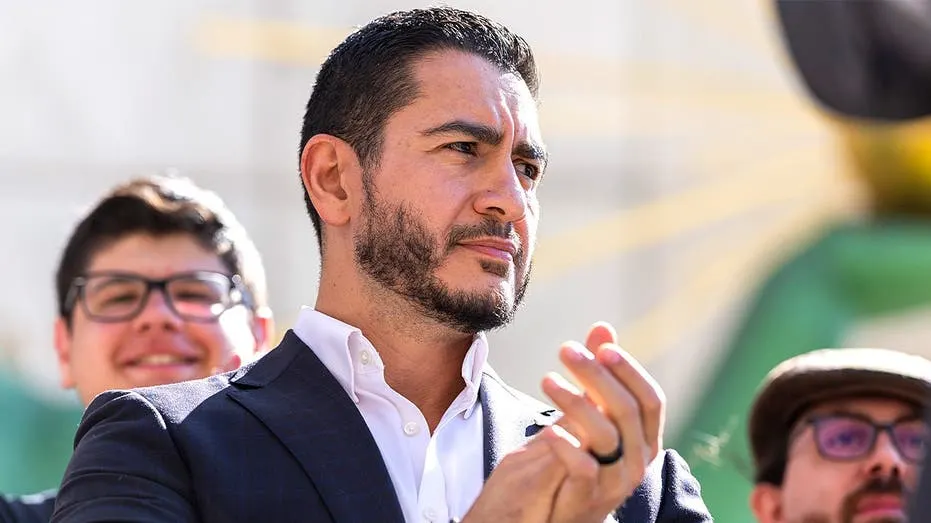
A Fox News opinion piece argues that Michigan Senate Democratic nominee Abdul El-Sayed has become this election cycle's most politically damaging candidate for his party, surpassing controversy previously generated by Maine Senate hopeful Graham Platner. The article contends that El-Sayed's combative and sometimes crude television appearances risk handing Republicans a ready-made argument that the Democratic Party is out of step with mainstream voters, at a moment when Democrats need to hold the Michigan seat to have any chance of retaking the Senate.
The piece cites an interview in which El-Sayed compared Sharia law to Catholic canon law, called for scrapping the Second Amendment, and used graphic language about circumcision when pressed on transgender issues in youth sports, alongside his support for Medicare for All and slavery reparations. It also highlights his past association with left-wing streamer Hasan Piker, whose remarks have been branded antisemitic by figures including House Minority Leader Hakeem Jeffries, and notes that El-Sayed's attempts to reassure Jewish voters have been dismissed as inadequate by Rep. Josh Gottheimer. Republicans, including House Republican Conference Chair Lisa McClain, are already using his comments to try to nationalise the midterm race against him and former Rep. Mike Rogers.
In short
- Fox News opinion piece criticises Democratic Senate nominee Abdul El-Sayed's media performances
- His remarks on Sharia, guns and trans issues drew GOP attacks
- Democrats need Michigan's seat to flip the Senate
Steelman: both sides, in good faith
The strongest fair case each way — we don't pick a winner.
The case for
A strong case that El-Sayed’s media appearances are politically damaging is that candidates seeking a competitive Senate seat must explain their positions clearly to voters beyond their existing supporters. His remarks on guns and youth sports, and his association with a controversial streamer, could give Republicans material to define him and the wider Democratic Party before he can make his case on healthcare or other issues. In a close race, avoidable distractions may make it harder for Democrats to hold the seat.
The case against
A strong case against treating these appearances as proof of political damage is that an opinion article’s selection of provocative clips may not reflect how most Michigan voters judge a candidate or what they prioritise. El-Sayed can argue that his positions, including support for universal healthcare, deserve scrutiny on their substance, while blunt answers or past associations should be assessed in context rather than used to portray the whole party. Republican efforts to nationalise the contest may also be ordinary campaign strategy, not evidence that his candidacy is unusually harmful.
Explained simply
Michigan is a key state in the US, and its Senate seat is one of the seats Democrats would need to win to take control of the chamber. The Senate shares responsibility for making federal laws and confirming senior government officials, so control of it can affect a president’s ability to carry out an agenda.
Abdul El-Sayed is the Democratic nominee for the seat; his Republican opponent is former congressman Mike Rogers. In the United States, party nominees are chosen in primary elections before facing each other in the general election.
Candidates’ public statements and policy positions can shape how voters view both them and their party. The debate around El-Sayed includes questions about his views on religion, gun laws and transgender issues, as well as his past association with Hasan Piker, a political streamer whose remarks have drawn criticism.