Culture news and discussion on TalkFuse.
The pros and cons of the switch to digital games
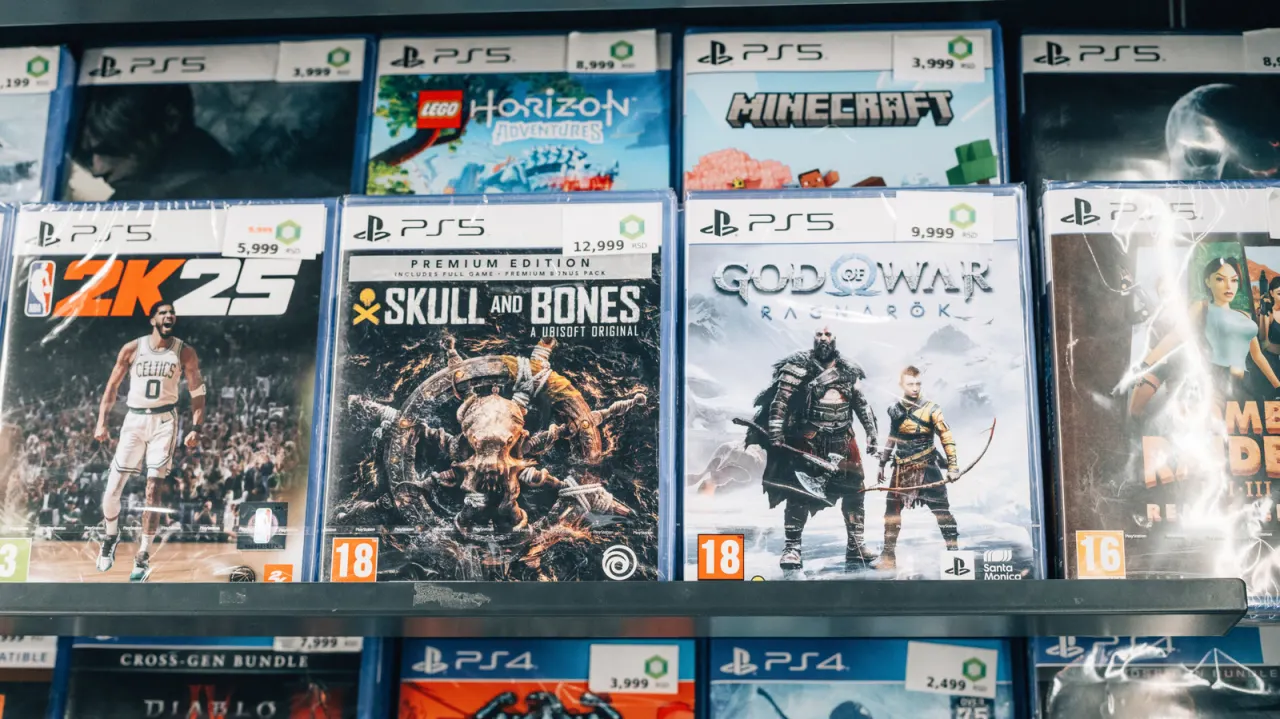
Sony's plan to phase out PlayStation discs by 2028 marks the latest step in gaming's broader shift towards all-digital consoles, following moves such as the PS5 Pro's optional disc drive, the disc-free Xbox Series S, and Nintendo Switch 2 "game-key cards" that hold no actual game data. The trend, already the norm on PC, matters because it reshapes how players buy, store and share games, while narrowing the remaining options for those who prefer physical media.
Going digital offers real conveniences: no swapping discs or cartridges, no shelf space taken up or risk of damaged media, instant purchases without shipping delays, and "gameshare" features letting friends or family access each other's libraries via linked accounts. However, the article warns of significant downsides, including the loss of secondhand sales, lending and rental services (such as GameFly), reduced pricing flexibility since only official storefronts set digital prices, larger storage demands on Switch consoles, slower access for those with poor internet, and notoriously strict refund policies such as PlayStation's, which only refunds games that haven't begun downloading.
In short
- Sony to end PlayStation discs by 2028, continuing an industry-wide digital shift.
- Digital gaming offers convenience but ditches discs, cartridges and physical clutter.
- Downsides include lost resale/rental markets, higher prices, and poor refund policies.
Steelman: both sides, in good faith
The strongest fair case each way — we don't pick a winner.
The case for
All-digital delivery offers genuine consumer conveniences—no disc-swapping, instant access without shipping, and gameshare features enabling family and friends to access shared libraries. Environmentally, eliminating the manufacture, packaging and distribution of millions of physical discs reduces carbon footprint and waste. Digital distribution also reduces counterfeiting and distribution costs whilst providing publishers direct consumer relationships through curated storefronts.
The case against
Physical media represents genuine ownership, whilst digital purchases are merely licences that publishers can revoke if accounts are suspended or servers close. Digital-only markets create pricing bottlenecks where publishers alone control prices without secondary markets encouraging competition, and strict refund policies leave consumers with minimal recourse. Critically, digital gaming requires reliable broadband, disadvantaging rural and low-income players, whilst physical media functions indefinitely offline.
Explained simply
Physical games come on discs or cartridges that players can keep, lend, sell or trade. Digital games are bought through an online shop and tied to an account, so players download them to a console. Gaming has been moving towards digital purchases for years, as they have become common on computers and consoles have offered more ways to buy games online.
The change affects how people access their games. Digital libraries can be convenient to use and do not need shelf space, while physical copies can be shared or bought second-hand. Downloading games also takes up space on a console and can depend on having a reliable internet connection.
The balance matters to players, game makers and retailers because it shapes who sets prices and how games are bought, shared and accessed. Digital shops give players a direct way to purchase games, while fewer physical releases can mean fewer options for lending, renting or finding used copies.
Art Culture Entertainment Gaming