Culture news and discussion on TalkFuse.
The pros and cons of using a digital wallet
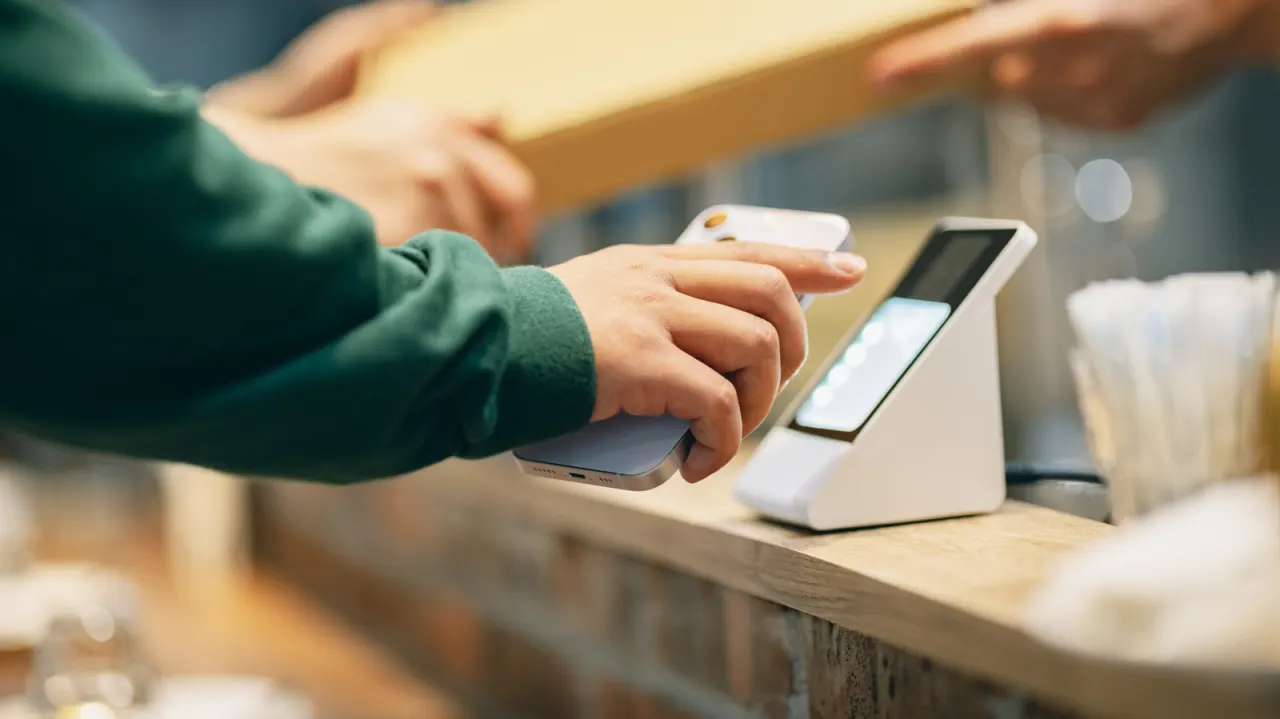
Digital wallets such as Apple Pay and Google Wallet are now widely accepted, offering a convenient way to store payment cards and other passes on a phone or smartwatch. The article argues that their main advantages are speed, reduced reliance on a physical wallet and stronger protection against card-data theft, although users should still keep another payment option available.
They can also hold tickets, loyalty cards, boarding passes, hotel keys and, in some places, digital IDs or car keys, while simplifying online checkout. Security relies on device authentication and tokenisation, which creates transaction-specific data rather than exposing a card number; however, compatibility varies by device and merchant, and digital payments should not be the sole backup.
In short
- Digital wallets make payments and passes easier to carry.
- Tokenisation and device locks improve payment security.
- Keep a physical payment method for compatibility problems.
Steelman: both sides, in good faith
The strongest fair case each way — we don't pick a winner.
The case for
Digital wallets provide genuine security improvements through tokenisation, which prevents merchants from accessing actual card details and substantially reduces fraud risk. The consolidation of payment cards, tickets, passes and identity documents into one authenticated device offers substantial convenience whilst maintaining security through biometric or PIN verification. For many users—particularly those with accessibility needs or those in regions with poor card infrastructure—digital wallets represent a meaningful quality-of-life improvement that outweighs any minor inconveniences.
The case against
Concerns about digital wallet dominance reflect legitimate worries about privacy, corporate power and exclusion. Tech giants collecting comprehensive spending data through proprietary systems raises surveillance concerns, whilst reliance on devices creates vulnerabilities through battery dependency, technical failures and service outages that could leave users unable to pay. The move toward digital-only payments excludes those without compatible devices, reliable connectivity or technological confidence, creating a two-tier financial system that marginalises vulnerable populations whilst concentrating critical financial infrastructure with a small number of corporations.
Explained simply
A digital wallet is an app that stores payment card details on a phone or smartwatch, so people can pay without taking out a physical card. Services such as Apple Pay and Google Wallet can also keep tickets, loyalty cards and boarding passes, and may be used for other passes where supported.
Payments are usually authorised with a device passcode or biometric check, while tokenisation means the shop receives a substitute code rather than the card number. This can reduce the risk of card details being exposed, but support varies between devices and businesses, and a phone may run out of power or be unavailable.
Digital wallets can make in-person and online payments quicker and reduce what people need to carry. Their usefulness depends on having a compatible device and places that accept them, so keeping another way to pay can help if the wallet cannot be used.
Art Celebrity Culture Entertainment