Technology news and discussion on TalkFuse.
Mesh Wi-Fi extends coverage but costs more and can limit control
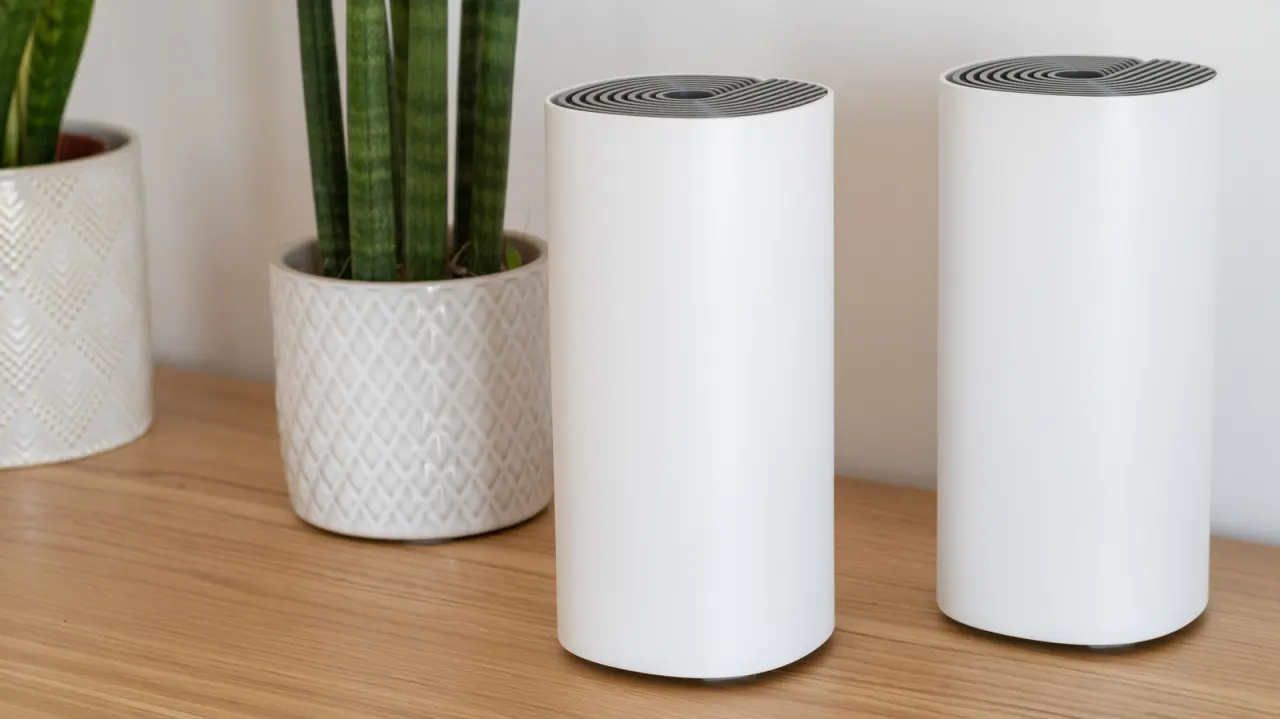
Mesh Wi-Fi systems can extend coverage across larger or multi-floor homes and let devices move between units without switching networks. They can help eliminate dead zones, but cost more and offer less control over frequency bands, so a standalone router may be a better choice for many homes.
A two-unit Eero 7 kit is cited as covering up to 4,000 square feet, with additional compatible units available to expand coverage. Mesh systems may cause setup problems for some 2.4GHz smart-home devices, and cheaper models can lose performance when their router-to-router connection shares bands with household devices. The article suggests mesh for larger homes or persistent dead zones, while most apartments may be adequately served by a standalone router.
In short
- Mesh can cover larger homes and dead zones.
- It costs more and offers less band control.
- A standalone router may suit most apartments.
Steelman: both sides, in good faith
The strongest fair case each way — we don't pick a winner.
The case for
Mesh Wi-Fi can be a worthwhile investment in larger or multi-floor homes where a single router leaves dead zones. Its units extend coverage and let devices move around without switching networks, and additional units can be added as needs change.
The case against
For many homes, especially apartments, a standalone router may provide enough coverage at lower cost. Mesh systems can offer less control over frequency bands, create setup difficulties for some 2.4GHz smart-home devices, and cheaper models may lose performance when units share connections with household traffic.
Read the full article at the source →
Originally published by Engadget as “The pros and cons of using mesh Wi-Fi”.