The pros and cons of using wireless Android Auto
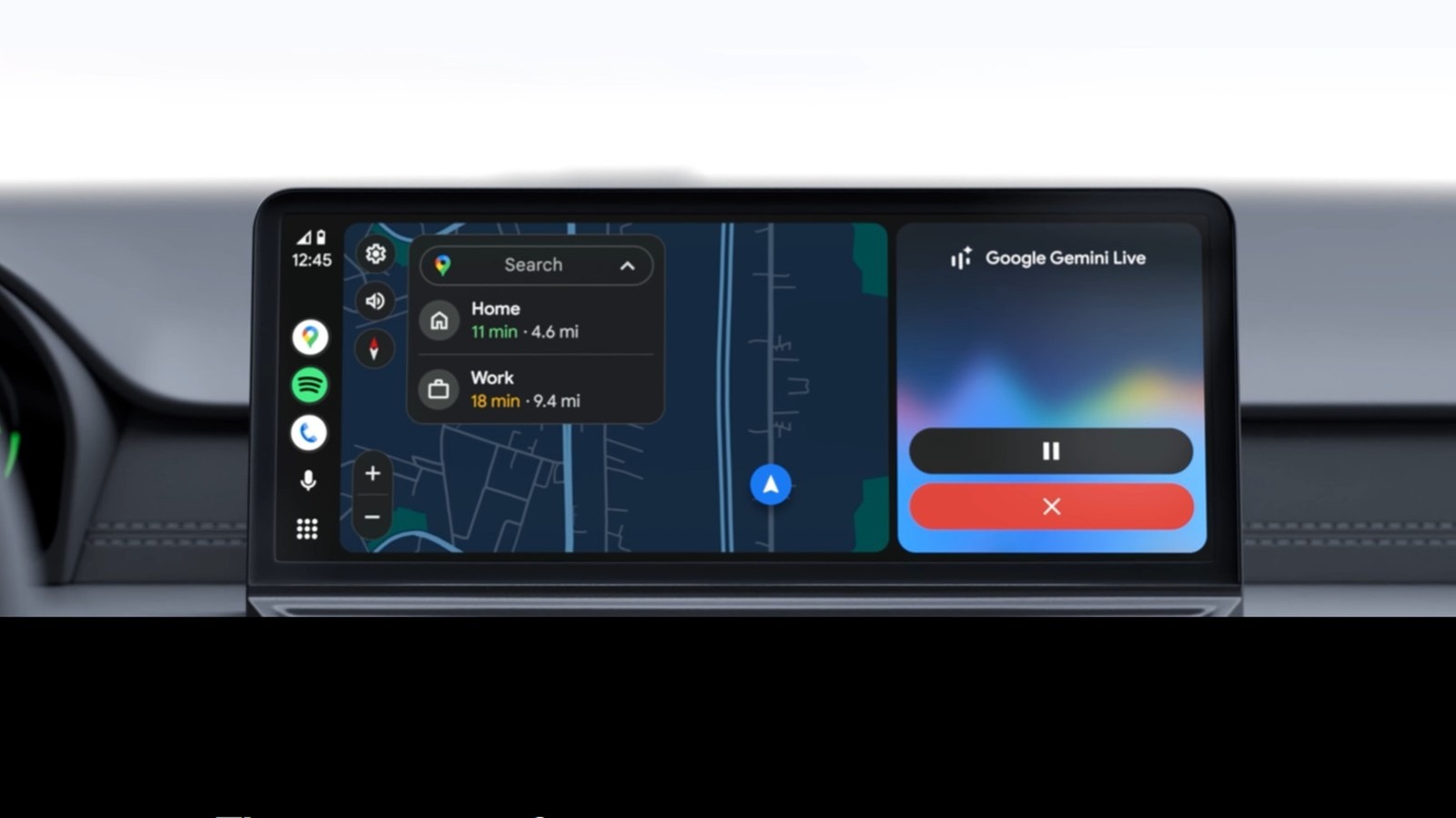
Wireless Android Auto offers a genuine convenience upgrade over the wired version, letting drivers connect automatically without fumbling for cables, but Engadget notes it comes with real trade-offs. The system relies on both Bluetooth and Wi-Fi Direct running simultaneously throughout a drive, which increases strain on a phone's battery and can cause noticeable heat build-up, particularly during longer journeys or hot weather.
Technically, Bluetooth handles the initial pairing and hands-free calls, while Wi-Fi Direct takes over the data-heavy tasks such as maps, audio and voice commands; disabling either connection breaks the link. Phones need Android 11 or later with 5GHz Wi-Fi Direct support, and older cars may require a separate wireless adapter. The convenience trade-off is stark: battery life can drop by roughly 10 to 15 percent per hour of driving, though users benefit from automatic reconnection for multiple paired drivers and a tidier interior without trailing cables.
- Wireless Android Auto uses simultaneous Bluetooth and Wi-Fi Direct connections
- Battery drains 10-15% per hour; heat build-up is a risk
- Requires Android 11+, 5GHz Wi-Fi Direct, or an adapter for older cars