World news and discussion on TalkFuse.
The PSP is the ultimate physical media EDC in 2026, change my mind
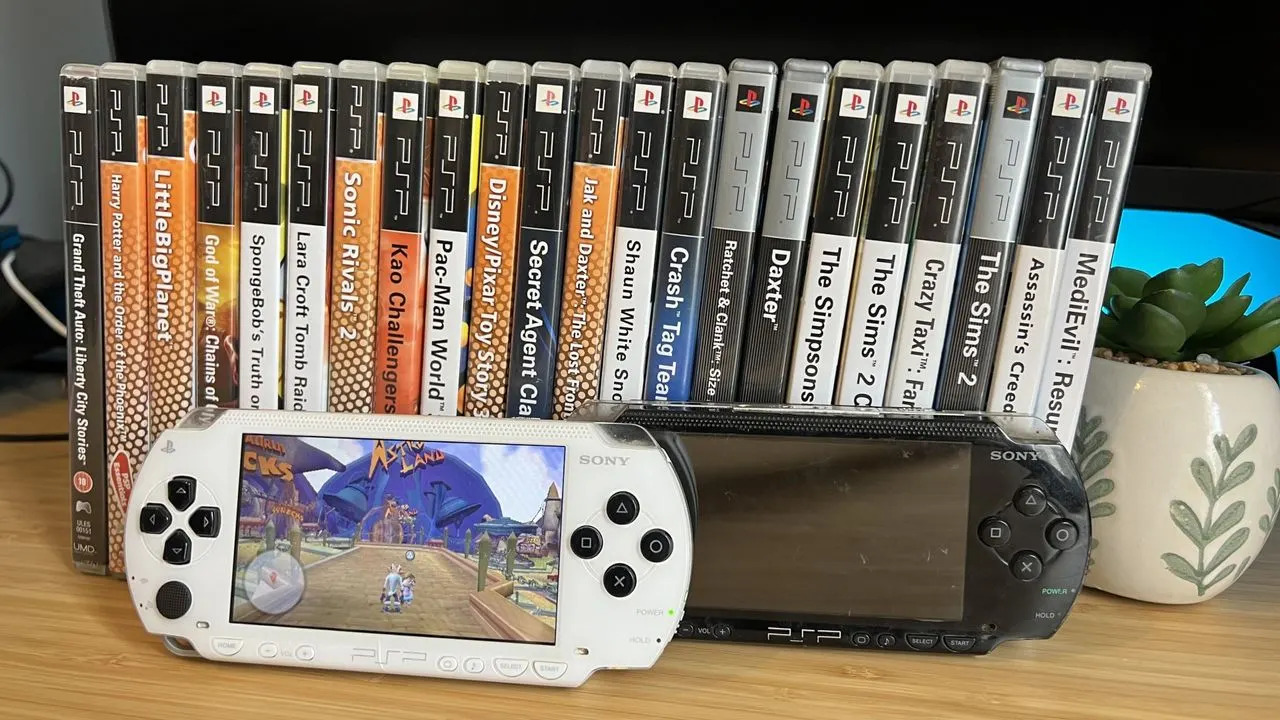
GamesRadar argues that Sony’s PlayStation Portable remains an especially strong everyday-carry device for physical media in 2026. The opinion piece matters chiefly as a defence of older dedicated hardware at a time when digital storefront access and media ownership can be uncertain.
Its case rests on the PSP’s compact size, its use of physical UMD discs and its wider usefulness as a portable games and media player. Rather than announcing a new product or policy, the article presents a personal argument for preserving and using a retro console.
In short
- The article champions the PSP as a portable physical-media device.
- It values ownership through UMD discs.
- This is an opinion piece, not product news.
Steelman: both sides, in good faith
The strongest fair case each way — we don't pick a winner.
The case for
Owners and advocates of older dedicated hardware like the PSP identify a genuine problem with modern gaming and media: reliance on corporate digital storefronts that can disappear, accounts suspended, and content licences expiring. A PSP with physical UMDs represents true media ownership, requires no internet connection, and cannot be revoked by any company. Its compact size and dual-purpose capability make it practical for everyday carry, and for users concerned about digital rights and corporate control, the device's stable functionality offers real advantages over the subscription-dependent model that dominates today.
The case against
Whilst concerns about digital storefronts are legitimate, recommending a 2026 PSP overlooks serious material constraints. The device is now over twenty years old; hardware components degrade, batteries fail, and UMD discs deteriorate, making the supposedly permanent physical media unreliable. Modern alternatives—whether capable smartphones, contemporary handhelds, or emulation on maintained platforms—address the same ownership concerns more robustly. Digital independence can be pursued through more sustainable methods than obsolete portable consoles, which become increasingly fragile and expensive to maintain.
Explained simply
Sony released the PlayStation Portable, or PSP, as a handheld games console that plays games on small physical discs called UMDs. It can also play other media, making it a portable entertainment device as well as a games machine.
The debate reflects a wider interest in owning media on physical formats, which can be used without relying on a digital shop remaining available. The PSP is one example of older dedicated hardware that people still use to carry and play their collections.