Entertainment news and discussion on TalkFuse.
The real reason Led Zeppelin never named their fourth album in 1971: “I’m surprised”
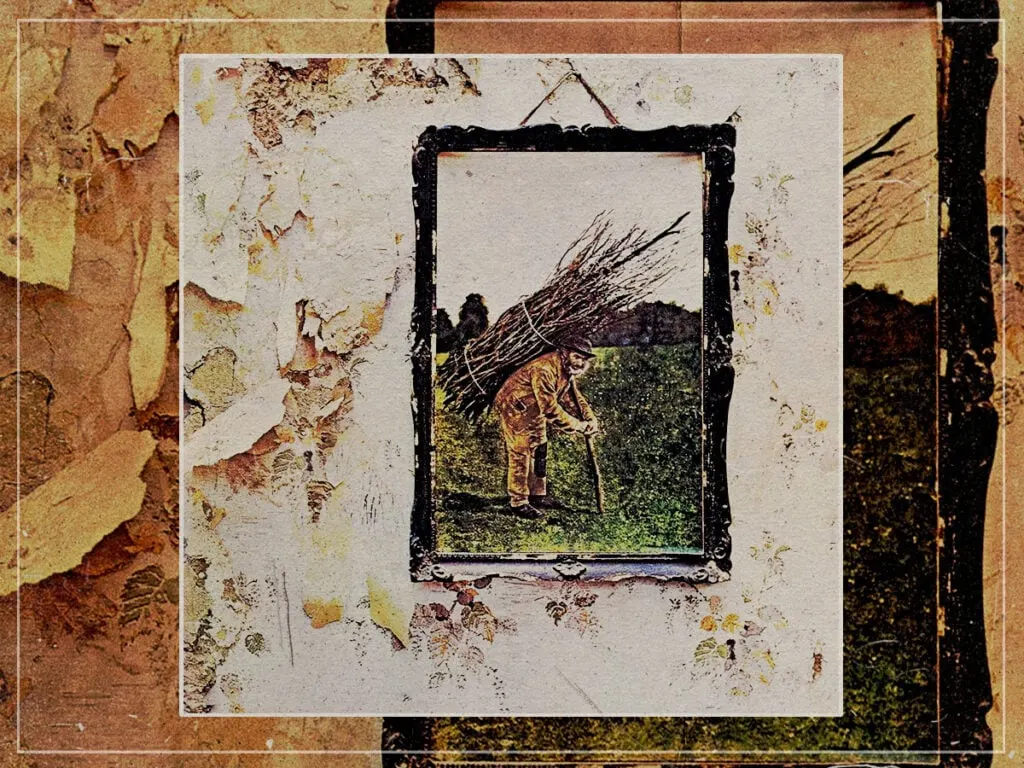
Far Out Magazine has revisited the story behind Led Zeppelin's decision to release their fourth studio album in 1971 without an official title, a move that became one of rock's most enduring mysteries. The album, commonly referred to as "Led Zeppelin IV" or "Four Symbols", featured no band name or album title on its cover, a deliberate choice reportedly driven by guitarist Jimmy Page's frustration with critics who had dismissed the band as a hyped, media-manufactured act.
Instead of text, the cover featured four cryptic symbols chosen individually by each band member to represent themselves, with Page stripping away all identifying information as a statement that the music should stand on its own merit. Despite the anonymous packaging, the record went on to become one of the best-selling albums in history, containing tracks such as "Stairway to Heaven", "Black Dog" and "Rock and Roll".
In short
- Led Zeppelin's 1971 fourth album was released with no title or band name.
- Jimmy Page wanted the untitled release as a response to critics.
- Four symbols chosen by each member replaced any text on the cover.
Steelman: both sides, in good faith
The strongest fair case each way — we don't pick a winner.
The case for
Page's decision to release the album without a title or band name represented a sincere artistic conviction that music of genuine quality stands on its own merit, independent of manufactured image and critical narratives. By removing all identifying text and relying instead on personal symbols chosen by each band member, he forced listeners to engage purely with the musical content and the artists' vision. The album's extraordinary success vindicated the philosophy that credible work transcends branding and hype.
The case against
The anonymous packaging, whilst presented as artistic principle, functioned simultaneously as a sophisticated marketing strategy that generated intrigue and mystique around the album. The mystery and speculation likely contributed substantially to its commercial success, suggesting the triumph may owe as much to strategic presentation as to the purity of artistic merit. This outcome undermines the stated goal of allowing music to speak independent of marketing narratives.
Explained simply
Led Zeppelin were a British rock band formed in 1968, with guitarist Jimmy Page, singer Robert Plant, bassist John Paul Jones and drummer John Bonham. By 1971 they had released three albums and become commercially successful, though some critics dismissed them as overhyped.
Their fourth album carried no band name or title on its cover. Each member chose a symbol for the artwork, while Page wanted the music to be judged without the usual labels and publicity. The album became widely known as Led Zeppelin IV and includes “Stairway to Heaven”, “Black Dog” and “Rock and Roll”.