World news and discussion on TalkFuse.
The reason your mobile signal is so terrible? Britain’s collapsing phone network is now even worse than Kazakhstan
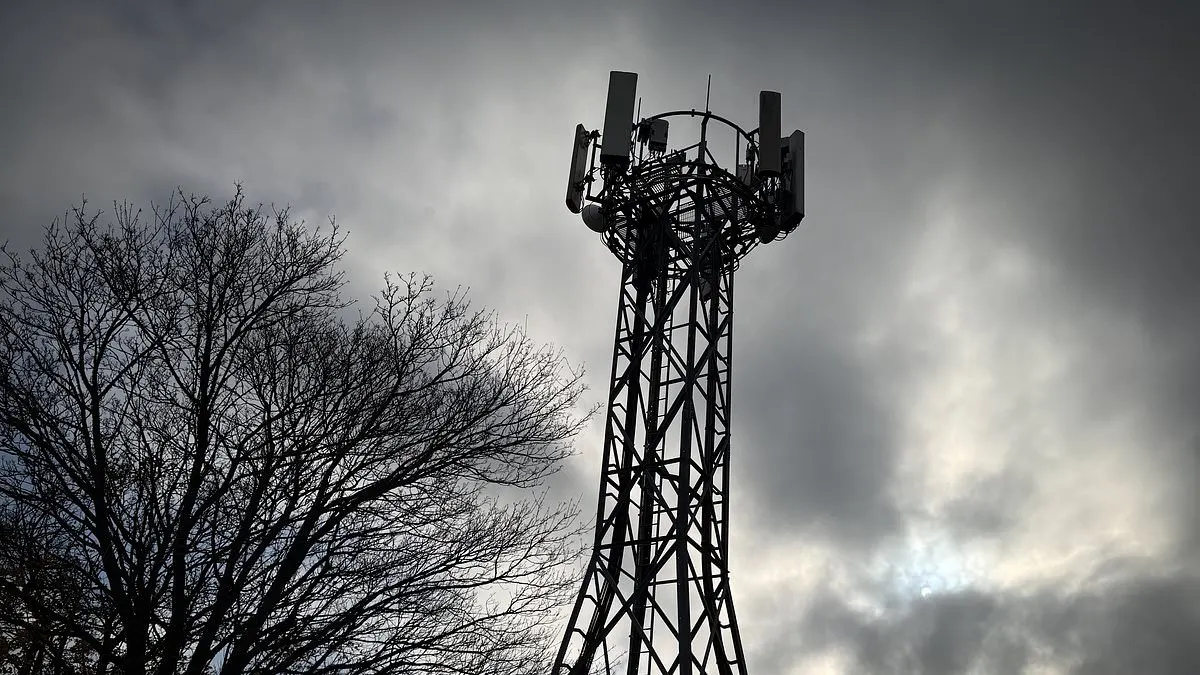
A new report says Britain’s mobile network has fallen to 53rd in global rankings and is struggling to keep pace with rising demand. The authors argue that delays and refusals of planning applications for phone masts are worsening poor coverage and costing the economy £789 million.
The report says mobile usage has risen by almost 500 per cent since 2018, while two fifths of users cannot stream video reliably and one fifth cannot make calls in some areas. Glasgow and Cardiff councils rejected all new mast applications over the past five years, while Richmond upon Thames rejected 96 per cent and Islington 74 per cent. The authors propose faster national approval rules, standard mast designs, and access to public rooftops and lampposts; Ofcom says 96 per cent of the population has good 4G coverage, a figure critics say does not reflect real-world service.
In short
- Britain ranks 53rd for mobile networks, according to a new report.
- Poor connectivity is linked to a £789 million economic cost.
- The report calls for faster mast approvals and standard designs.
Steelman: both sides, in good faith
The strongest fair case each way — we don't pick a winner.
The case for
Faster, more predictable mast approvals could help networks keep pace with sharply rising data use and address gaps that national coverage figures may conceal. Streamlined rules, standard designs and access to public sites could improve reliable service while supporting economic activity and emergency communications.
The case against
Planning decisions allow councils and residents to weigh new infrastructure against local concerns such as visual impact, land use and the character of neighbourhoods. National coverage statistics suggest many people already have 4G access, and councils may reasonably seek evidence that proposed masts will deliver meaningful improvements before approving them.
Explained simply
Mobile networks use radio signals from masts to connect phones to calls and the internet. Coverage and speed depend on where masts are placed, how many people are using the network and how much capacity operators have built.
In Britain, local councils decide many applications to build phone masts, while national rules and planning guidance also shape those decisions. Ofcom measures network coverage, but a signal counted as available may not always provide a reliable connection indoors or when demand is high.
Reliable mobile service matters for everyday communication and for businesses that depend on people being able to get online. The debate is about how to expand network capacity while addressing planning concerns and ensuring that coverage figures reflect people’s experience.