The Reject Shop rocked by job cuts as Australian roles go overseas
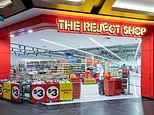
The Reject Shop has cut jobs in its head office, with some roles moved overseas to Dollarama's El Salvador division, a year after the Canadian discount retailer completed a A$260 million takeover of the Australian chain. The redundancies, the second round since the acquisition closed, have raised concerns about job security as Dollarama continues integrating the business, though the company insists only a limited number of positions have been affected alongside continued hiring elsewhere.
The company said decisions on roles were carefully considered, with redeployment offered where possible. The cuts follow the case of former property project manager Jodi Long, who described being made redundant in July via a brief Teams call and later given a replacement role with a A$30,000 pay cut. Reject Shop stores are gradually being rebranded from their red and yellow livery to Dollarama's green and gold, with up to 80 stores updated this year ahead of a full transition by 2027; Dollarama plans 15 to 25 new Australian stores by the end of 2026 and 700 by 2034, which retail experts say could undercut major competitors. A Reject Shop spokesperson said no further redundancies are currently planned.
- The Reject Shop cuts head office jobs, some roles shifted to El Salvador
- Comes a year after Dollarama's A$260 million takeover of the chain
- Rebrand to Dollarama's green-gold livery under way, full switch by 2027
New here? Start with this
The Reject Shop is a long-running Australian discount variety store chain, similar in spirit to bargain-bin retailers found on high streets everywhere. In 2024, it was bought out for A$260 million by Dollarama, a large Canadian discount retail group, in a deal that gave the Canadian company control of the Australian business and its stores.
Since the takeover, Dollarama has been gradually folding The Reject Shop into its own operations, including rebranding stores from their familiar red and yellow colours to Dollarama's green and gold, and expanding the number of Australian outlets over the coming years. Head office jobs in Australia have also been affected, with some functions shifted to Dollarama's operations in El Salvador, prompting concern among staff about job security during the transition.
This matters both for the roughly 350 Reject Shop stores' customers, who will see a familiar brand change hands and appearance, and for Australian retail workers more broadly, as it reflects how foreign takeovers of local chains can lead to job losses, restructuring and offshoring of corporate roles even while store numbers grow.
Both sides, in good faith
The strongest fair case each way — we don't pick a winner.
The case for
A reasonable defender of the restructuring would argue that Dollarama, as the new owner, has both the right and the responsibility to integrate The Reject Shop into its global operating model, including consolidating back-office functions where it makes commercial sense. Moving certain roles overseas can lower costs and support the retailer's ambitious expansion plans, which in turn promises hundreds of new Australian stores and jobs in retail and logistics over the coming decade. Redeployment offers and continued local hiring, they would note, show the company is not abandoning its Australian workforce but reshaping it to remain competitive against larger rivals.
The case against
A reasonable critic would argue that Australian workers deserve better protection and transparency during a foreign takeover, pointing to Jodi Long's account of a redundancy delivered abruptly over a brief video call and a replacement role offering A$30,000 less pay as evidence of process that falls short of respectful treatment. They would contend that shifting head-office roles to El Salvador, following so soon after the acquisition, raises legitimate concerns that promises of stability made at the time of the takeover are being quietly eroded, and that local employees and communities bear the human cost of a foreign parent company's cost-cutting even as the brand expands its store footprint.