World news and discussion on TalkFuse.
The rising cost of putting food on the table in India
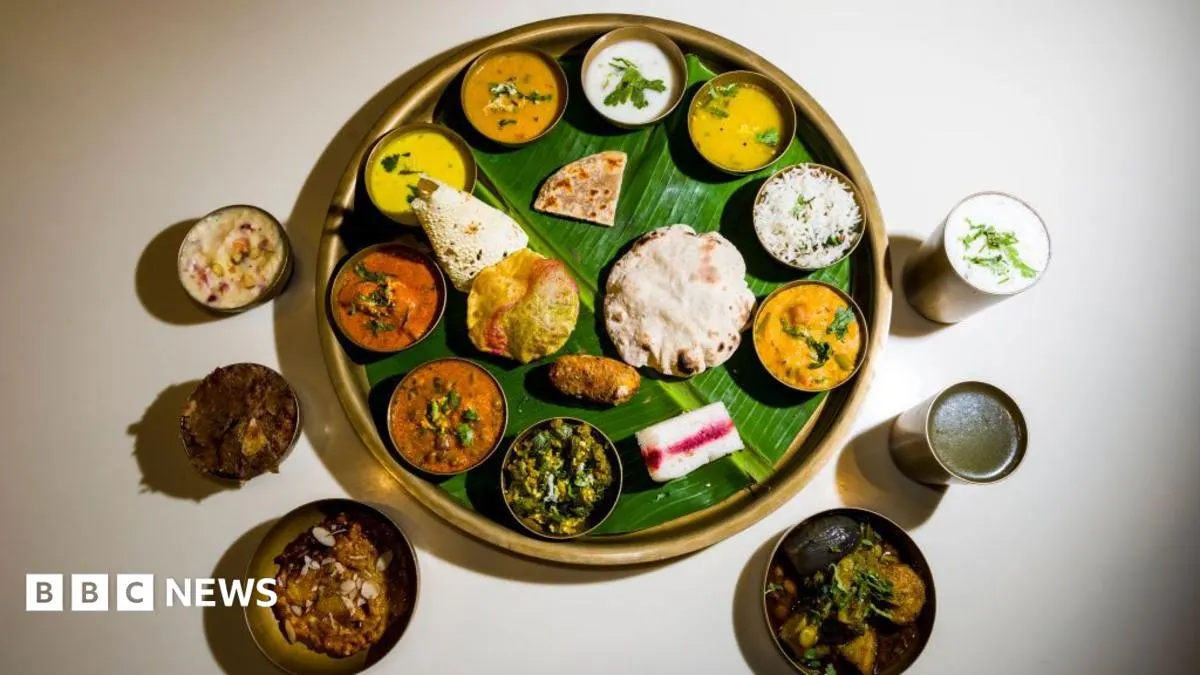
India’s food inflation rose to 8.94% in October, well above overall retail inflation of 6.09%, increasing pressure on household budgets. The rise matters most for poorer households, which spend a larger share of their income on food and have less room to adjust.
Food prices have been driven higher by weather disruption, supply shortages and rising costs, with the southwest monsoon 13% below normal. A home-cooked vegetarian meal cost 12% more than a year earlier, while a non-vegetarian meal rose 9%; rice, pulses, edible oil and cooking gas also became more expensive. Rural food inflation reached 9.09%, compared with 8.68% in urban areas, and seasonal swings in crops such as onions and tomatoes add to price volatility.
In short
- Food inflation reached 8.94% in October.
- A vegetarian meal cost 12% more year on year.
- Poorer households face greater pressure from rising food prices.
Explained simply
Food inflation measures how quickly the prices of food are rising. In India, the cost of a household food shop depends partly on the harvest and on how easily crops can be stored and moved from farms to markets.
The monsoon is the seasonal rains that supply much of the water farmers need to grow crops. When rainfall is low or uneven, or supplies are disrupted, staples such as rice and pulses and vegetables such as onions and tomatoes can become more expensive.
Higher food costs affect households differently because poorer families tend to spend more of their income on food and have less room to cut other expenses. Rural and urban households may also face different price changes, depending on local supplies and the foods they buy.
Asia Business Culture Economy Food Science World