“The Rolling Stones and The Beatles paid for theirs. I see no reason why you shouldn’t pay for yours”: When Keith Emerson tried to blag a £55,000 synth for free
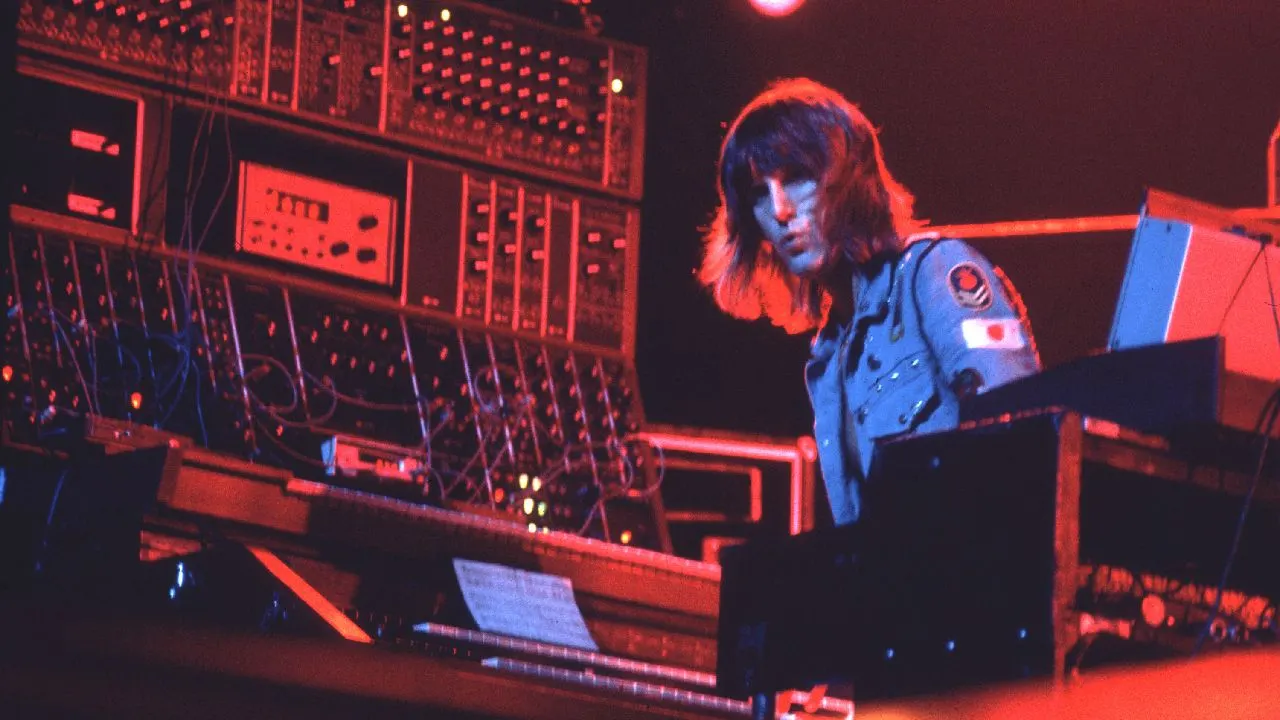
Keith Emerson, keyboardist of Emerson, Lake & Palmer, once tried to persuade the Moog synthesiser company to give him one of its instruments for free, offering to promote and endorse it in return, as he formed the band and prepared to record their debut album in 1970. The story, recounted by Emerson himself in a 2014 interview, illustrates both the coveted status of the Moog among leading musicians of the era and the company's refusal to bend its rules even for a rising star.
Moog turned down the request outright, reportedly telling Emerson that acts such as The Rolling Stones and The Beatles had paid for their own synthesisers and he should do the same, rather than expecting a costly instrument, worth around £55,000 in today's money, handed over gratis. The anecdote reflects the wider boom in demand for Moog synthesisers following their 1964 launch by engineer Bob Moog, a surge fuelled partly by the popularity of Wendy Carlos's album Switched-On Bach, which made the instrument a must-have but expensive addition for ambitious musicians of the time.
- Keith Emerson asked Moog for a free synthesiser in 1970.
- Moog refused, citing that The Beatles and Stones paid.
- The synth would cost around £55,000 in today's money.
New here? Start with this
Emerson, Lake & Palmer were a British rock band formed in 1970 by keyboardist Keith Emerson, bassist Greg Lake and drummer Carl Palmer, who became known for blending classical and progressive rock and for their elaborate use of electronic instruments. Central to their sound was the Moog synthesiser, a then-new and expensive electronic keyboard developed by American engineer Bob Moog, whose company had launched the instrument in 1964.
By the late 1960s the Moog had become highly sought after among leading musicians, its profile boosted by Wendy Carlos's bestselling album Switched-On Bach, but its high cost put it out of reach for many. Moog's approach to selling the instrument, including how it handled requests from famous or up-and-coming artists, shaped who could afford to use it and helped cement its reputation as a prestige item in the music industry of the time.
The episode involving Emerson and Moog is a decades-old anecdote rather than a current event, recalled by Emerson himself in an interview years later. It matters mainly as a small window into the culture surrounding early synthesiser technology, showing how even prominent musicians had to negotiate, and sometimes pay full price, to access the cutting-edge instruments that defined the sound of that era.