Technology news and discussion on TalkFuse.
The Rolling Stones hit out at AI music: “If you were any kind of creative person, you wouldn’t do that”
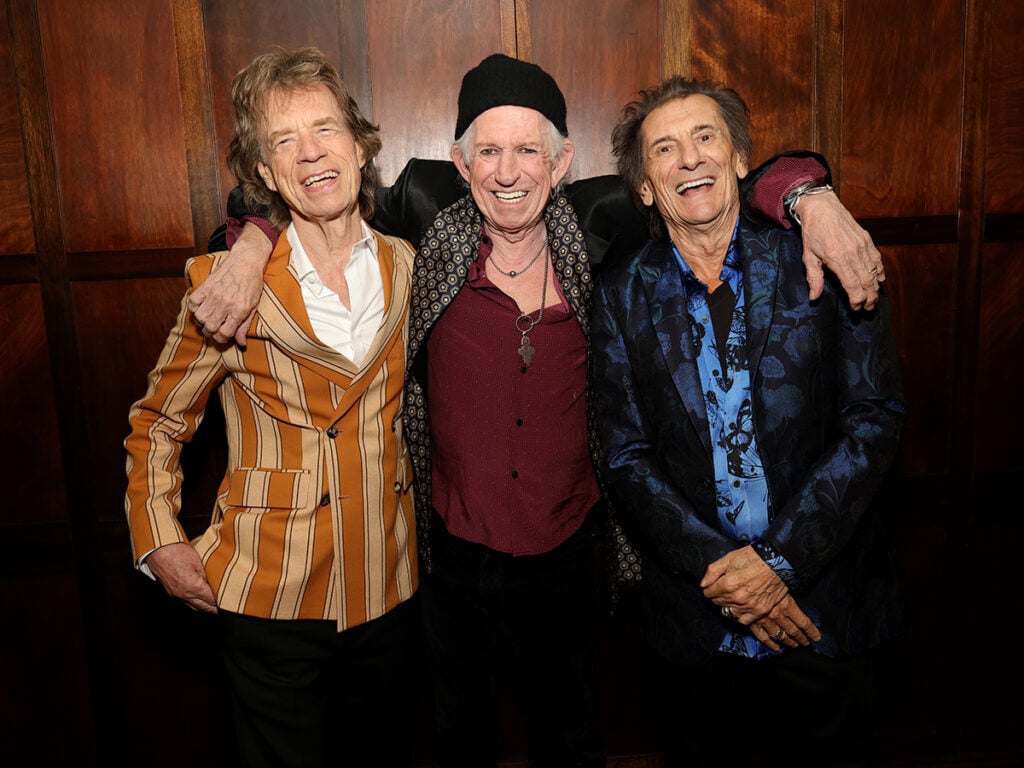
The Rolling Stones have criticised the use of artificial intelligence in music, reportedly speaking out after discovering they themselves had been "deepfaked" using AI technology. The band's comments add to a growing debate within the music industry about AI-generated content, with the group suggesting that relying on such tools runs counter to genuine artistic creativity.
The available details are limited, but the core of the band's argument centres on authenticity: they suggest that a truly creative person would not turn to AI to produce music, implying it undermines the craft and originality that musicianship demands. The remarks come amid wider concerns from artists across the industry about AI's growing role in music production and the unauthorised use of musicians' likenesses or voices.
In short
- The Rolling Stones criticised AI music after being deepfaked themselves.
- They argue true creative people wouldn't rely on AI.
- Comments reflect wider industry unease over AI in music.
Steelman: both sides, in good faith
The strongest fair case each way — we don't pick a winner.
The case for
The Rolling Stones' position reflects legitimate concerns about artistic integrity and unauthorised exploitation. When AI systems train on artists' work without permission and generate imitations of their voices or styles, it represents a violation of creative autonomy and could undermine both the economic viability of musicianship and the very concept of authentic artistic expression. The argument centres on artistry as requiring human intentionality, skill development, and the unique creative fingerprint that results from lived experience and deliberate craft—something that algorithmic systems cannot genuinely replicate.
The case against
Supporters of AI music argue it is simply the latest technological tool in a long lineage of innovations—from synthesisers to digital recording to sampling—that have expanded artistic possibilities without diminishing human creativity. Rather than inherently undermining artistry, AI can democratise music production and provide accessible pathways for people to create and participate. The legitimate ethical concerns about unauthorised voice replication and training on copyrighted work are matters of policy and consent frameworks to be addressed through regulation, but they are separate from the tool's capacity to serve as an aid to artistic exploration and expression.
Explained simply
The Rolling Stones have spoken out against the use of artificial intelligence in music production. The band's criticism follows reports that their music has been recreated using AI technology without their consent. Their comments reflect broader concerns in the music industry about how AI tools are being used to generate or alter music.
The Rolling Stones are one of the world's most influential rock bands, with a recording career spanning over six decades. Their position in this debate carries weight because of their status and because they appear to have been directly affected by AI recreation of their work. The band argues that genuine artistic creativity cannot be outsourced to machines.
The issue matters because AI's growing ability to mimic musicians' voices and styles raises questions about artistic integrity, copyright, and what the future of music creation might look like. Many musicians worry that AI-generated music could diminish the value of human artistry and create problems around the unauthorised use of their voices and likenesses. These concerns are becoming increasingly prominent across the music industry as the technology develops.
AI Entertainment Music Technology