Entertainment news and discussion on TalkFuse.
The “scary” voice Brian Wilson was always challenged by: “Don’t try”
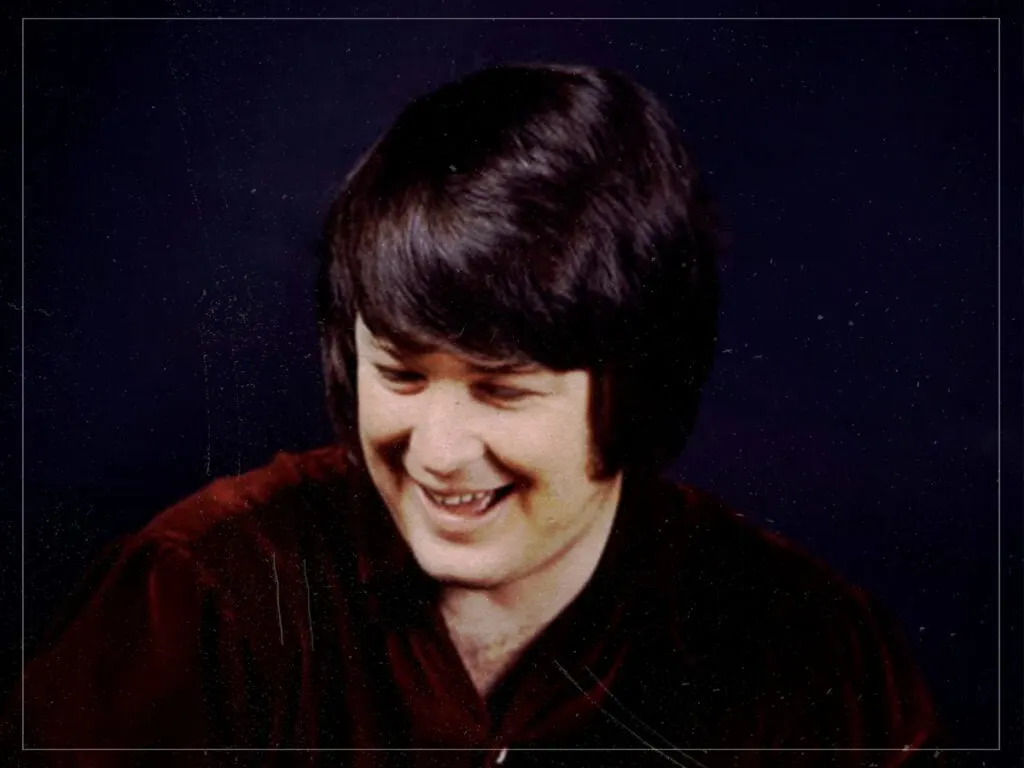
Brian Wilson, the creative force behind The Beach Boys, always chased musical originality, even as the band's trajectory took a bittersweet turn following the release of Pet Sounds. Although Pet Sounds is now hailed as a landmark achievement, the commercial failure of the follow-up project Smile allowed The Beatles to overtake The Beach Boys as pop's leading innovators, a shift Wilson felt keenly despite regarding them as friendly rivals.
Wilson faced resistance from within his own camp, including his father and bandmate Mike Love, over the more experimental, psychedelic direction of his songwriting. He also described feeling haunted by producer Phil Spector, recalling an imagined inner voice telling him he would never surpass classics such as "Be My Baby" and "You've Lost That Lovin' Feeling", urging him not to even try. Despite these pressures, and later exploitation by figures such as Eugene Landy, Wilson continued to produce work regarded as some of pop music's finest achievements.
In short
- Brian Wilson often felt overshadowed by rivals like The Beatles and Phil Spector
- He imagined Spector's "scary" voice telling him not to try
- Despite self-doubt, Wilson produced some of pop's greatest music
Explained simply
Brian Wilson was the driving creative force behind The Beach Boys, the American band known for close harmonies and sun-drenched pop in the 1960s. He wrote and produced Pet Sounds, an ambitious 1966 album now widely regarded as one of the greatest ever made, but at the time it sold poorly compared to expectations. His even more experimental follow-up project, Smile, was ultimately abandoned, and the setback coincided with The Beatles overtaking The Beach Boys as pop music's most innovative act.
Wilson often clashed with those around him over his musical direction, including his father and fellow band member Mike Love, who were wary of his more unconventional ideas. He has also spoken about the influence of record producer Phil Spector, whose landmark recordings loomed large in Wilson's mind as a benchmark he felt unable to reach. In later life he was also affected by his relationship with therapist Eugene Landy, whose involvement in his affairs has been widely described as exploitative.
This background matters because it explains the personal and professional pressures behind some of pop music's most acclaimed work, and why Wilson's career is often framed as a story of both extraordinary creativity and considerable hardship.
Entertainment Horror Space Technology