The ScotRail train arriving on Platform One is probably the oldest in BRITAIN!
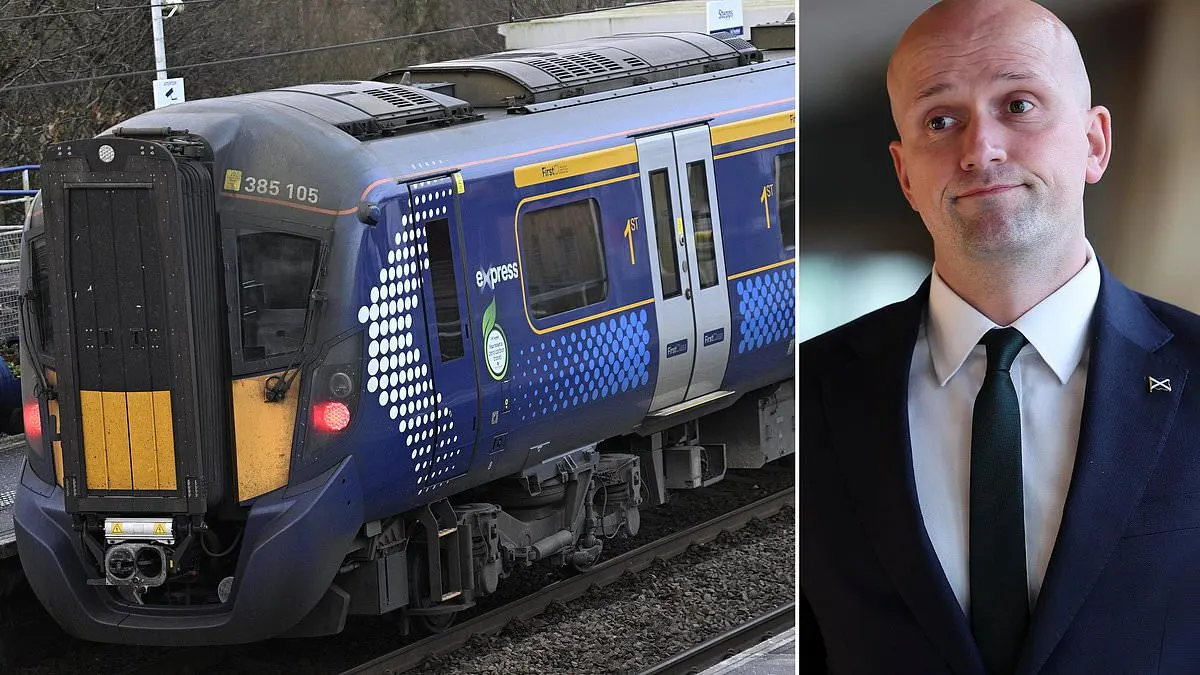
ScotRail has Britain’s oldest train fleet, with trains dating back to the 1970s still running on key Scottish inter-city routes. The figures renew questions about whether renationalisation has delivered the promised improvement to rail services.
The Office of Rail and Road puts the average age of ScotRail’s trains and carriages at 26.3 years, compared with 16.4 years across the UK. Its High Speed Trains, built between 1975 and 1982, serve routes linking cities including Edinburgh, Glasgow, Aberdeen and Inverness. ScotRail punctuality fell from 71.2 per cent in 2021–22 to 68.9 per cent in 2025–26; the company has acknowledged the HSTs are nearing the end of their usable life.
In short
- ScotRail has Britain’s oldest fleet, averaging 26.3 years.
- Some trains in service were built in the 1970s.
- Punctuality has fallen since ScotRail was renationalised.
Steelman: both sides, in good faith
The strongest fair case each way — we don't pick a winner.
The case for
The age of ScotRail’s fleet and the fall in punctuality raise fair questions about whether public ownership has delivered the improvement passengers were promised. Trains built in the 1970s are nearing the end of their usable life, and passengers on important inter-city routes have a strong case for expecting reliable, modern services and a clear plan for replacing them.
The case against
Fleet age and punctuality figures alone do not establish that renationalisation has failed: replacing trains takes time, and performance can be affected by factors beyond ownership. Public control may still offer a route to better long-term planning and accountability, while the reported figures provide a baseline for judging whether improvements follow.
Explained simply
ScotRail runs most passenger train services in Scotland, including routes between its largest cities and more remote areas. Its trains include High Speed Trains built in the late 1970s and early 1980s, while the average age of its fleet is higher than that of trains across Britain.
Scotland’s railways were brought under public control in 2022, after years of operation by a private company. The change raised expectations of better services, but train age is only one factor affecting reliability and punctuality.
The Office of Rail and Road is the independent body that publishes figures on the rail network. Its data allows comparisons between operators and can inform debate about replacing older trains and improving services for passengers.