Entertainment news and discussion on TalkFuse.
The second lives of abandoned Tube stops: What happens when the trains stop rolling through Aldwych?
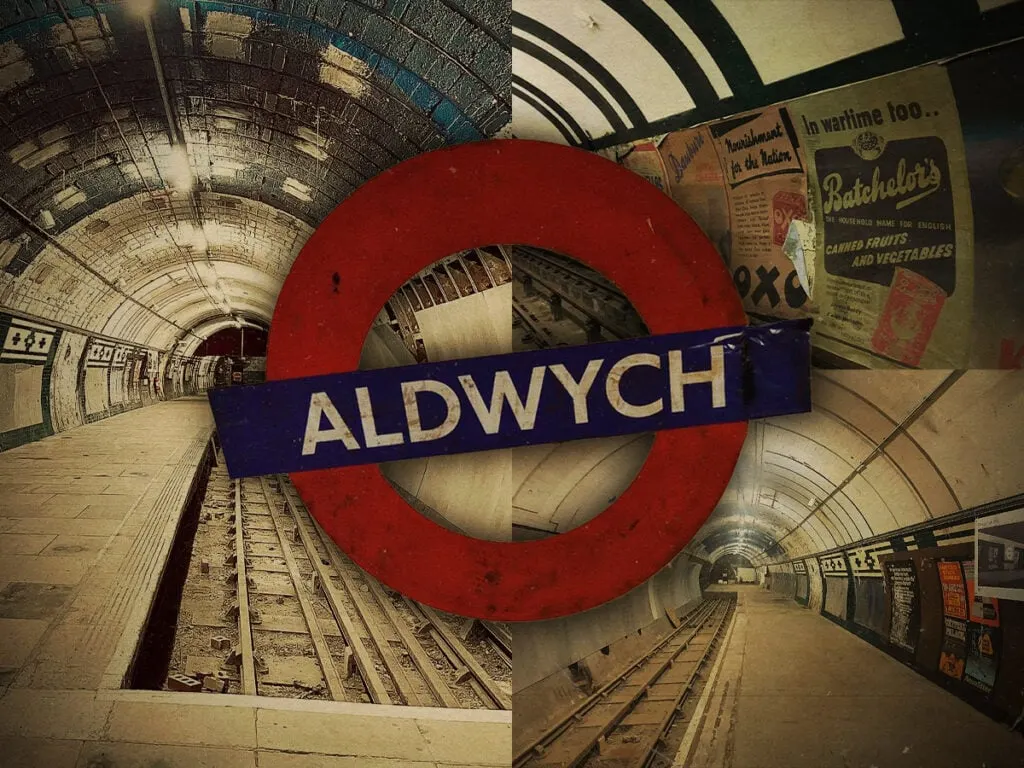
London's Underground network has accumulated approximately 40 abandoned or relocated stations since the Metropolitan Railway's opening in 1863, with closures resulting from declining passenger numbers, network restructuring, and financial pressures. Rather than disappearing, many abandoned stations have found new purposes—some converted to private residences like Blake Hall in Essex (closed 1981), whilst others remain integrated into the transport infrastructure serving different functions.
During the Second World War, closed stations proved strategically valuable for the nation's defence, serving as government offices, air-raid shelters, and military operations centres. In contemporary times, Aldwych exemplifies successful adaptive reuse, operating since its 2014 closure as a film production location that preserves mid-twentieth-century Underground aesthetics. These transformations demonstrate how London's decommissioned infrastructure continues to serve practical and cultural purposes, maintaining the city's layered historical narrative.
In short
- London's ~40 abandoned Tube stations have been repurposed as residences, film locations, and infrastructure facilities
- During WWII, closed stations served as government offices and air-raid shelters for Britain's wartime defence
- Aldwych, closed in 2014, operates as a film set preserving mid-twentieth-century Underground design
Explained simply
London’s Underground has changed as the city has grown and travel patterns have shifted. Some stations closed when fewer passengers used them, routes were reorganised or running them became too costly; others were moved or replaced.
Aldwych was a branch station that closed to passengers in 1994. Closed stations have since served different purposes, including wartime shelters and government facilities, while some have been used for filming.
Aldwych’s preserved platforms and passages can stand in for an older Underground, making the site useful to film crews. Its reuse also shows how disused transport sites can remain part of London’s working and cultural life.