The Shadow War: Inside story of deadly SAS conflict with IRA revealed for the first time
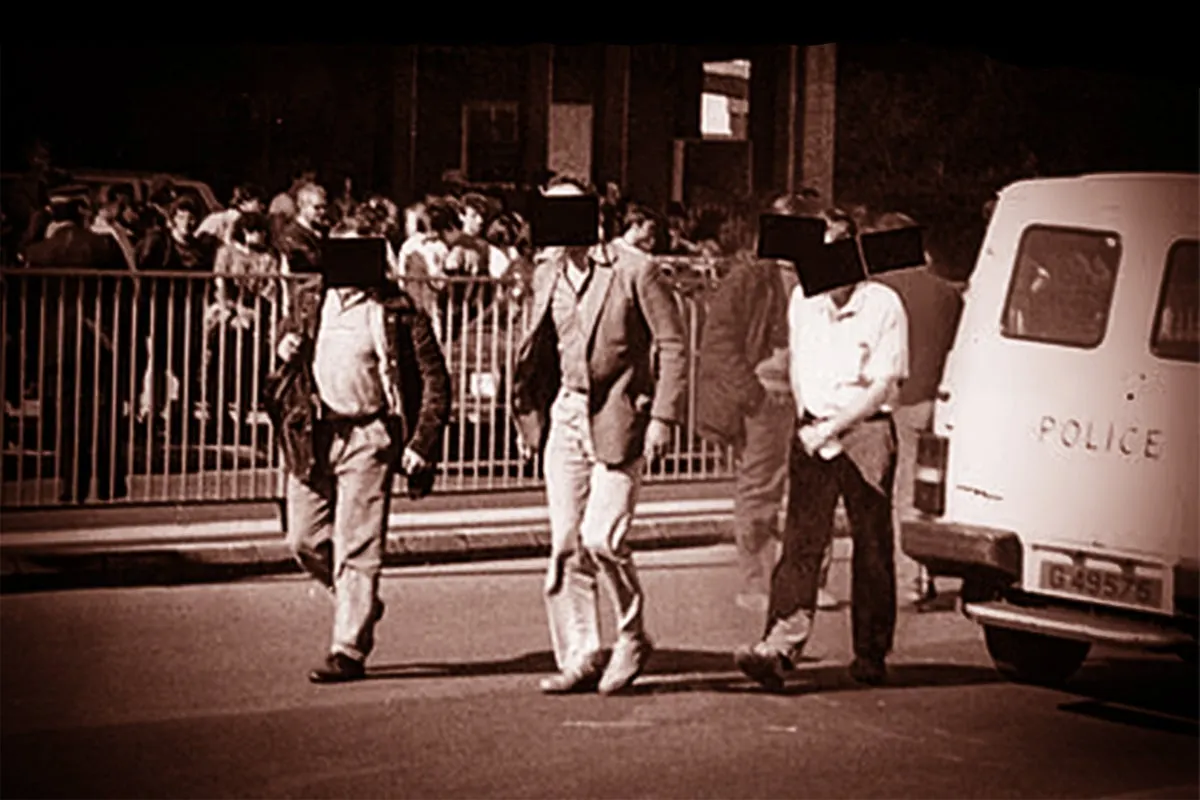
Fifteen former SAS soldiers and intelligence officers have spoken publicly about covert operations against the IRA during the Northern Ireland conflict, including encounters in which people were killed. Their accounts, shared in a new podcast, add personal testimony to a long-running debate over whether some operations formed part of a state-backed “shoot-to-kill” policy.
The testimonies span the late 1970s to the late 1990s, before the 1998 Good Friday Agreement; some contributors are named, while others remain anonymous. One officer, identified as Blue, recalls being shot three times in a 1978 ambush in South Derry in which his colleague David Jones was mortally wounded; Blue returned fire and wounded IRA member Francis Hughes, who was later arrested and died during the 1981 Maze prison hunger strike. Contributors cite concern that the proposed Northern Ireland Troubles Bill could expose them to legacy prosecutions.
- Fifteen former SAS and intelligence personnel describe secret operations against the IRA.
- Their accounts span the conflict’s final decades and include a 1978 ambush.
- Contributors fear proposed legislation could reopen legacy prosecutions.
New here? Start with this
Northern Ireland was bitterly divided over whether to remain part of the United Kingdom or join the Irish Republic, with republican groups including the IRA pursuing Irish unification through violence whilst British forces sought to prevent attacks and maintain order. This sustained conflict, lasting three decades from the late 1960s, became known as the Troubles and ended with the 1998 Good Friday Agreement.
Throughout the Troubles, there were persistent claims that British security forces, particularly the SAS regiment, operated an unofficial "shoot-to-kill" policy, killing IRA members rather than arresting them. Whether this was sanctioned at government level or resulted from individual decisions by soldiers has remained a matter of fierce dispute.
Former SAS soldiers and intelligence officers involved in covert operations against the IRA have broken their silence about these missions, partly because of proposed new legislation that could lead to prosecutions for actions taken during the conflict. Their testimonies provide first-hand evidence that could help settle long-standing questions about what actually happened during some of the conflict's most controversial incidents.
Both sides, in good faith
The strongest fair case each way — we don't pick a winner.
The case for
Those defending the operations contend that soldiers were conducting counterterrorism work during an active, deadly conflict against an armed organisation responsible for significant civilian casualties. They made rapid tactical decisions under genuine threat, believing they were protecting their country under lawful orders from elected governments. Retrospective prosecutions decades later would be unprecedented and fundamentally unfair to those who served in good faith during wartime conditions.
The case against
Critics argue that rule of law and democratic accountability must apply even during conflict. If security forces conducted targeted operations outside proper legal frameworks, that represents a serious violation regardless of the security context. Victims' families deserve answers, and independent investigation into potential abuses is essential for both justice and genuine reconciliation.