‘The Simpsons’ Surprise: Apu Is Heard for the First Time in Nearly a Decade, as Sunil Malhotra Takes Over for Hank Azaria (EXCLUSIVE)
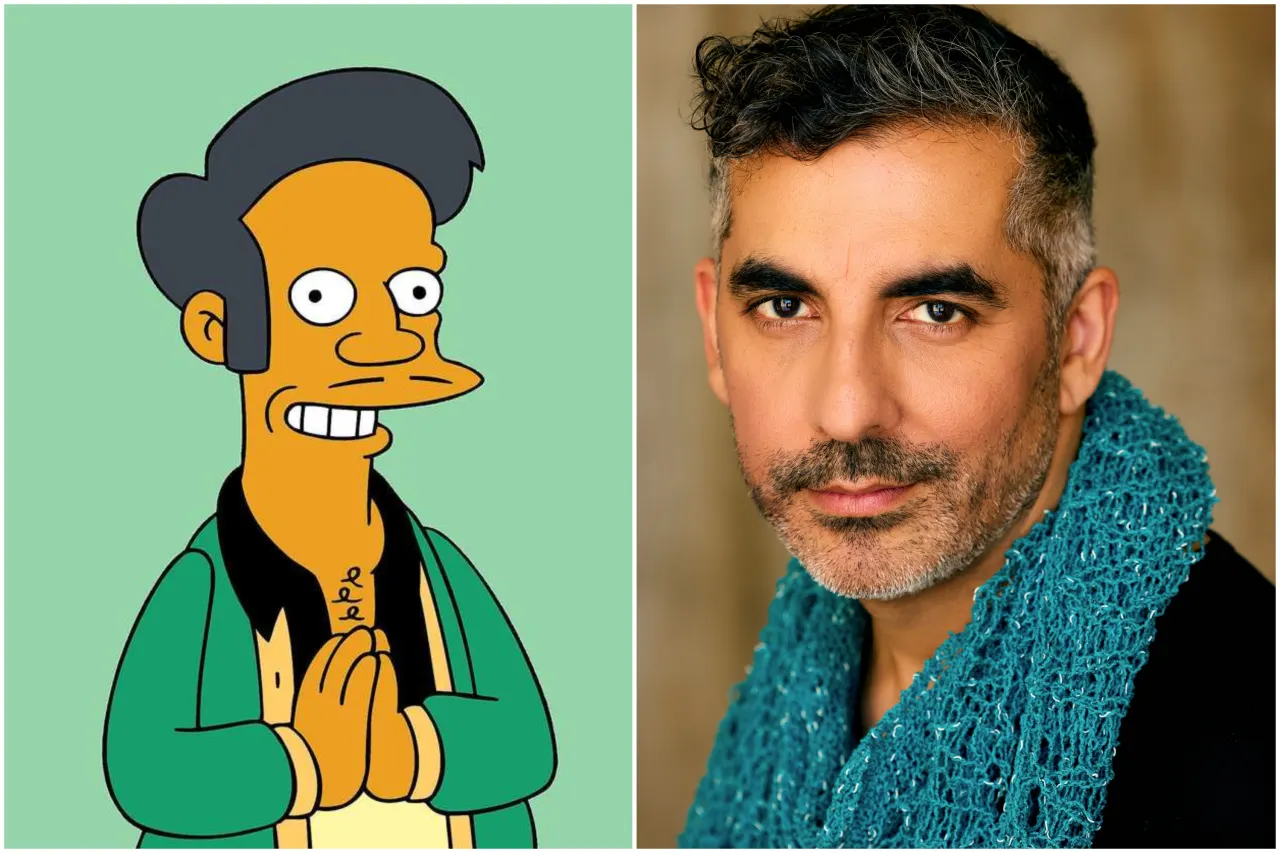
Apu Nahasapeemapetilon spoke again on “The Simpsons” for the first time since 2017, with actor Sunil Malhotra taking over the role from Hank Azaria. Producers say Apu and his family will feature more often, marking a return for a character whose portrayal prompted criticism over its South Asian stereotypes.
Malhotra said he considered the role carefully and spoke with producers about making Apu more culturally appropriate. Apu’s return came in the Halloween episode “The Revengening”, alongside Janina Gavankar’s debut as his wife, Manjula. Azaria stopped voicing Apu after the 2017 documentary “The Problem With Apu” renewed discussion about the character’s impact.
- Apu speaks again after nearly nine years.
- Sunil Malhotra takes over the role from Hank Azaria.
- Producers say Apu and his family will return more often.
New here? Start with this
The Simpsons is a long-running American animated comedy set in the fictional town of Springfield. Apu Nahasapeemapetilon is an Indian American character who runs the Kwik-E-Mart convenience shop; his wife is Manjula, and they have eight children.
For many years, Apu was voiced by Hank Azaria, a white American actor. His accent and characterisation drew criticism from some South Asian viewers, who said they relied on stereotypes; the 2017 documentary The Problem With Apu brought wider attention to those concerns.
The debate became part of wider discussions about who voices characters from under-represented communities and how those characters are portrayed. Apu’s place on the show matters to viewers and producers weighing the character’s history against how he may be depicted in future episodes.
Both sides, in good faith
The strongest fair case each way — we don't pick a winner.
The case for
Apu is a long-running character with a family and history that the series can develop in fuller, more nuanced ways. A new South Asian actor, working with producers on a more culturally appropriate portrayal, may help retain that history while giving South Asian viewers a character who feels less like a stereotype.
The case against
A change of voice actor and stated effort to refine the portrayal may not address the deeper concern that Apu was built around stereotypes and helped normalise them. Bringing him back risks reviving that harm, and could suggest that representation has been improved without sufficiently listening to those affected or changing the character’s underlying role.