Entertainment news and discussion on TalkFuse.
The singer Paul Simon knew became “an incredible waste”
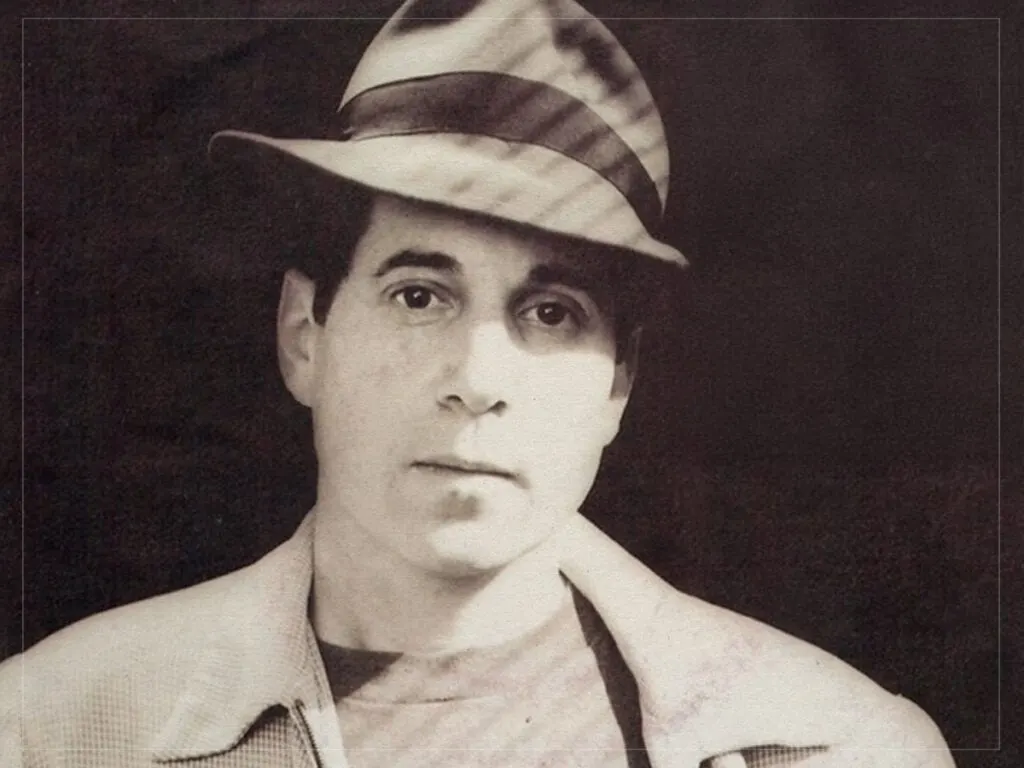
Far Out Magazine revisits Paul Simon's reflections on the career trajectory of a fellow musician whose talent he admired but whose later output he came to see as squandered. Simon, renowned for his own meticulous, decades-spanning songwriting with Simon & Garfunkel and as a solo artist, has often spoken candidly about peers and influences, using their choices as a lens through which he examines his own creative discipline and standards.
The piece centres on Simon's characterisation of the singer's decline as "an incredible waste" of ability, framing it as a cautionary tale about unfulfilled potential in the music industry. It draws on Simon's own well-documented perfectionism and reverence for craftsmanship to contrast with the other artist's perceived failure to sustain the quality of their early work, though the article itself gives limited additional biographical or contextual detail beyond this comparison.
In short
- Paul Simon called a fellow singer's career "an incredible waste"
- Comment reflects Simon's own exacting creative standards
- Article contrasts wasted talent with Simon's disciplined songwriting career
Steelman: both sides, in good faith
The strongest fair case each way — we don't pick a winner.
The case for
Simon's assessment reflects a perspective earned through decades of meticulous artistic discipline and sustained excellence. Critical evaluation of whether talented artists fulfil their potential is legitimate cultural commentary; such observations serve instructive purposes, identifying how consistent standards and deliberate creative choices distinguish enduring achievement from temporary success. An artist of Simon's calibre offering candid professional judgment on craft and trajectory contributes meaningfully to discourse about artistic responsibility.
The case against
Characterising a peer's career as 'an incredible waste' oversimplifies the many legitimate reasons artistic output evolves differently—health challenges, family responsibilities, creative redirection, or changed priorities all genuinely influence trajectory without constituting failure. Simon's exacting standards, whilst personally valuable, represent one particular approach to artistry rather than a universal measure of worth. Public dismissal risks gatekeeping: other musicians may reasonably prioritise different values, and their contributions may hold genuine worth in ways that don't align with one critic's expectations.
Explained simply
Paul Simon, the acclaimed musician best known for Simon & Garfunkel and his subsequent solo career, has previously made critical remarks about another singer's artistic trajectory. Simon observed that this musician, whose early work he had admired, ultimately failed to maintain quality in their output, describing the situation as "an incredible waste" of their talent.
The article, which revisits Simon's past comments, frames his critique as a cautionary tale about unfulfilled potential in the music industry. Simon is renowned for his meticulous approach to songwriting and his high artistic standards across his decades-long career, which adds weight to his observations about peers whose work declined.