The singer Stevie Nicks never wanted to listen to again: “She needs to stop”
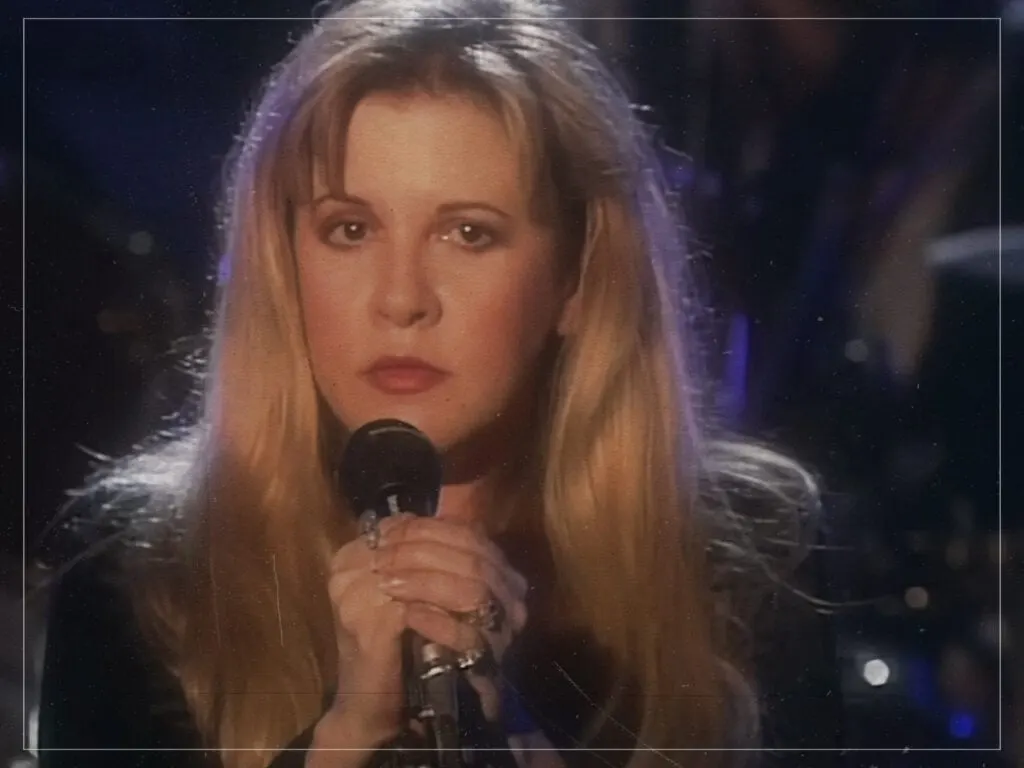
Stevie Nicks once declared she would no longer listen to or purchase Britney Spears' music, citing excessive personal disclosure in tabloids and a reality television series. The legendary Fleetwood Mac singer said Spears was too focused on "too much information" and not enough on artistic integrity, describing her approach as a turn-off that prompted her decision to avoid Spears' work.
Nicks' criticism stemmed from her belief that artistry should be musicians' primary focus rather than celebrity spectacle. However, the article notes Nicks may not have fully grasped Spears' circumstances at the time—Spears was operating under a conservatorship that constrained her autonomy and potentially influenced her public behaviour. Nicks herself had battled addiction but recovered, and whilst she acknowledged sympathy for Spears' struggles, she felt compelled to distance herself from Spears' music due to the level of personal sharing involved.
- Stevie Nicks refused to buy Britney Spears records due to excessive personal disclosure.
- Nicks criticised Spears for prioritising celebrity spectacle over artistic integrity.
- Spears was under a conservatorship, which may have explained her public behaviour.
New here? Start with this
Stevie Nicks, the legendary Fleetwood Mac singer, publicly stated that she would no longer listen to or purchase Britney Spears' music. Nicks' decision was prompted by her view that Spears was excessively focused on sharing personal details through tabloids and reality television rather than concentrating on her music itself.
Nicks believed that musicians should prioritise artistic integrity and their craft over celebrity and public spectacle. She felt that this excessive personal sharing represented a turn-off that made her want to distance herself from Spears' work, viewing it as a distraction from what she considered should be an artist's main focus.
At the time Nicks made these comments, Spears was living under a conservatorship—a legal arrangement in which others controlled her personal and financial decisions. The article notes that Nicks may not have fully understood these constraints on Spears' autonomy and how they might have influenced her public behaviour. Whilst Nicks herself had battled addiction and recovered, and acknowledged some sympathy for Spears' struggles, she felt her need to step away from the music was justified.
Both sides, in good faith
The strongest fair case each way — we don't pick a winner.
The case for
Artistic integrity and focus on musical craft rather than celebrity spectacle represents a legitimate philosophical position. Nicks' concern that personal disclosure and reality television can undermine artistic credibility reflects a principled view that serious musicians should prioritise substance over tabloid engagement and maintain professional boundaries.
The case against
Assessing Spears' public behaviour without acknowledging that she operated under a conservatorship that severely constrained her autonomy misses essential context. Her personal disclosures may not have reflected free choices about artistic priorities, but rather limited agency within legal constraints. Additionally, female artists historically face stricter gendered standards regarding public conduct than their male counterparts, making such criticism particularly worth contextualising.