Entertainment news and discussion on TalkFuse.
The sky was once full of stars, kids; then the FCC let Elon Musk launch a million datacenter satellites
Developing story first seen 5 hours ago
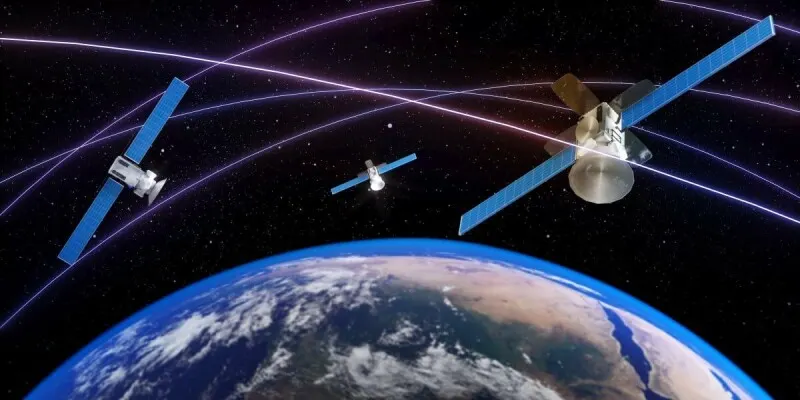
The US Federal Communications Commission has authorised SpaceX to operate a proposed constellation of one million satellites intended to host datacentres in orbit. The approval sets out conditions for radio use and satellite tracking, but does not mean the system is ready to be built or that its technical and financial case has been proved.
The satellites would occupy orbital shells at altitudes of 500 to 1,002 kilometres. The FCC deferred SpaceX’s request for flexibility over disposing of defunct satellites and requires twice-yearly reports on close approaches in orbit. Major hurdles include launch costs, the need for near-daily launches, networking research and expanded manufacturing; meanwhile, astronomers warn that large satellite constellations obstruct views of the sky. Google has already launched a test satellite and plans a larger datacentre-rack satellite for 2029.
- Sources
- 2
- Outlets
- 2
- Left · Centre · Right
- 0 · 1 · 0
In short
- The FCC approved SpaceX’s plan for one million orbital datacentre satellites.
- Approval leaves major technical, manufacturing and cost hurdles unresolved.
- Astronomers say growing satellite constellations obstruct observations of the sky.
How this story developed
- 5 minutes ago The US Federal Communications Commission has authorised SpaceX to operate a proposed constellation of one million satellites intended to host datacentres in orbit.
Explained simply
SpaceX is the US space company founded by Elon Musk. It already operates Starlink, a large network of satellites that provides internet access, and has proposed putting computing equipment in orbit so satellites can process and store data.
The US Federal Communications Commission regulates satellite communications and has authorised SpaceX to use radio frequencies for the proposed network, subject to conditions. That permission does not show that the system can be built or funded; it would require many launches, expanded manufacturing and new ways for satellites to communicate.
Large satellite networks can make it harder for astronomers to observe the night sky, because satellites pass through telescope images and reflect sunlight. Regulators also have to manage risks such as close approaches and the disposal of failed satellites as the number of objects in orbit grows.
Coverage · 2 sources
Celebrity Entertainment Space Technology