Business news and discussion on TalkFuse.
The slow economic decline of France compared to the rest of Europe
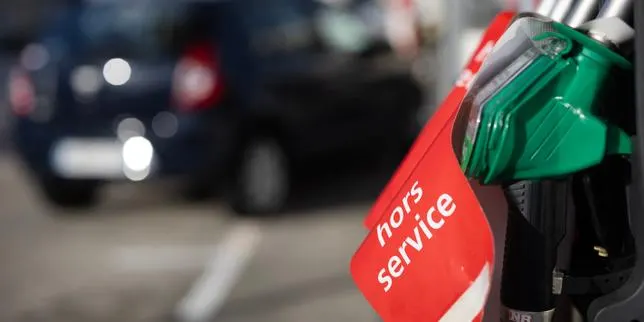
France has suffered near-stagnation in 2026, with growth weaker than elsewhere in Europe, deepening concerns about its relative economic decline. GDP per person, adjusted for purchasing power, has fallen from 16% above the EU average in 1995 to 2% below it today, although output per person has continued to rise in absolute terms.
GDP fell 0.2% in the first quarter, was flat in the second and declined 0.1% in the third; the EU grew by 0.1%, 0.7% and 0.5% respectively. Higher energy costs, drought, heat and supply problems weighed on France, while political gridlock and a large deficit limited budget support; other countries benefited from investment or EU recovery payments. The IMF expects French growth of 0.4% this year and 0.7% in 2027, while analysts point to low employment and fewer hours worked as longer-term constraints.
In short
- France’s economy barely grew in the first three quarters of 2026.
- GDP per person has slipped below the EU average.
- Low employment and limited work hours are cited as longer-term constraints.
Explained simply
France is one of the European Union’s largest economies, and its performance affects jobs, public finances and trade across the bloc. Economic comparisons often use GDP per person adjusted for purchasing power, which accounts for differences in prices between countries.
A country’s relative position can fall even while its economy grows in absolute terms, if other countries grow faster. France’s output per person has risen over time, but it has moved from above the EU average to slightly below it.
The comparison also reflects differences in employment, hours worked and investment, as well as short-term pressures such as energy costs and weather. France’s public deficit and political divisions can affect how much support the government is able to provide, while EU recovery funds have supported investment in some other countries.