Entertainment news and discussion on TalkFuse.
The song that journeyed from slavery to soul to Paul Simon’s 1970 masterpiece
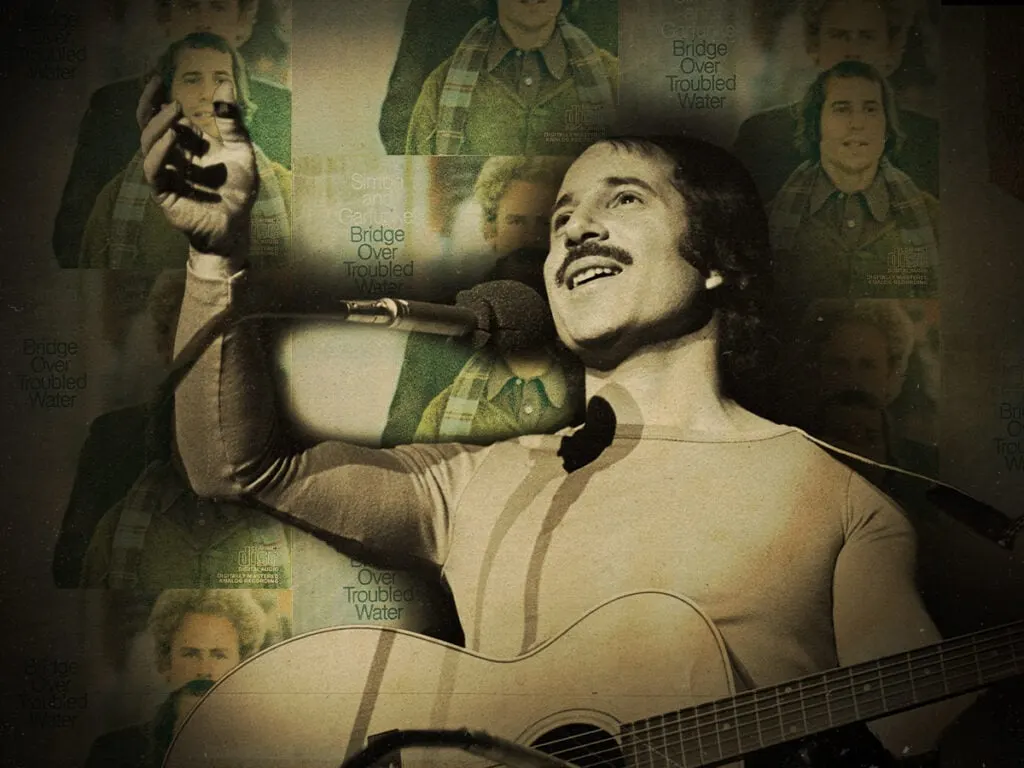
Paul Simon’s 1970 song ‘Bridge Over Troubled Water’ was influenced by the traditional gospel spiritual ‘Mary Don’t You Weep’, a song with roots in the experience of enslaved African Americans. The connection highlights how a spiritual shaped by hardship and faith travelled through gospel music into a major soul-influenced pop classic.
The article traces the song’s lineage through gospel recordings, particularly the Swan Silvertones’ version, whose vocal phrasing helped inspire Simon’s central image of offering support in difficult times. ‘Bridge Over Troubled Water’ became the title track of Simon & Garfunkel’s final studio album and one of their most celebrated recordings, with Art Garfunkel providing its prominent lead vocal.
In short
- ‘Bridge Over Troubled Water’ drew on the gospel spiritual ‘Mary Don’t You Weep’.
- The spiritual originated in enslaved African American communities.
- Gospel phrasing helped shape Simon’s famous song.
Explained simply
“Mary Don’t You Weep” is a traditional African American spiritual, a religious song that grew out of the lives and faith of enslaved people in the United States. It was passed on through singing and later became part of gospel music, including recordings by groups such as the Swan Silvertones.
Paul Simon drew on that gospel tradition when writing “Bridge Over Troubled Water”, using the image of standing by someone in times of trouble. The song was recorded by Simon & Garfunkel, with Art Garfunkel singing lead, and became the title track of their final studio album. Its history shows how musical ideas can travel across generations and styles.